The library
Practical and editorial growing guides organized by pillar. Field-guide rigor for Apprentices, Growers, Educators, and Stewards alike. New guides ship weekly.
Pillar 01
Reference entries on growing media. Field-guide style: each entry self-contained, citable, with mix recipes for common plant types. Updated monthly.
 Foundation
Foundation
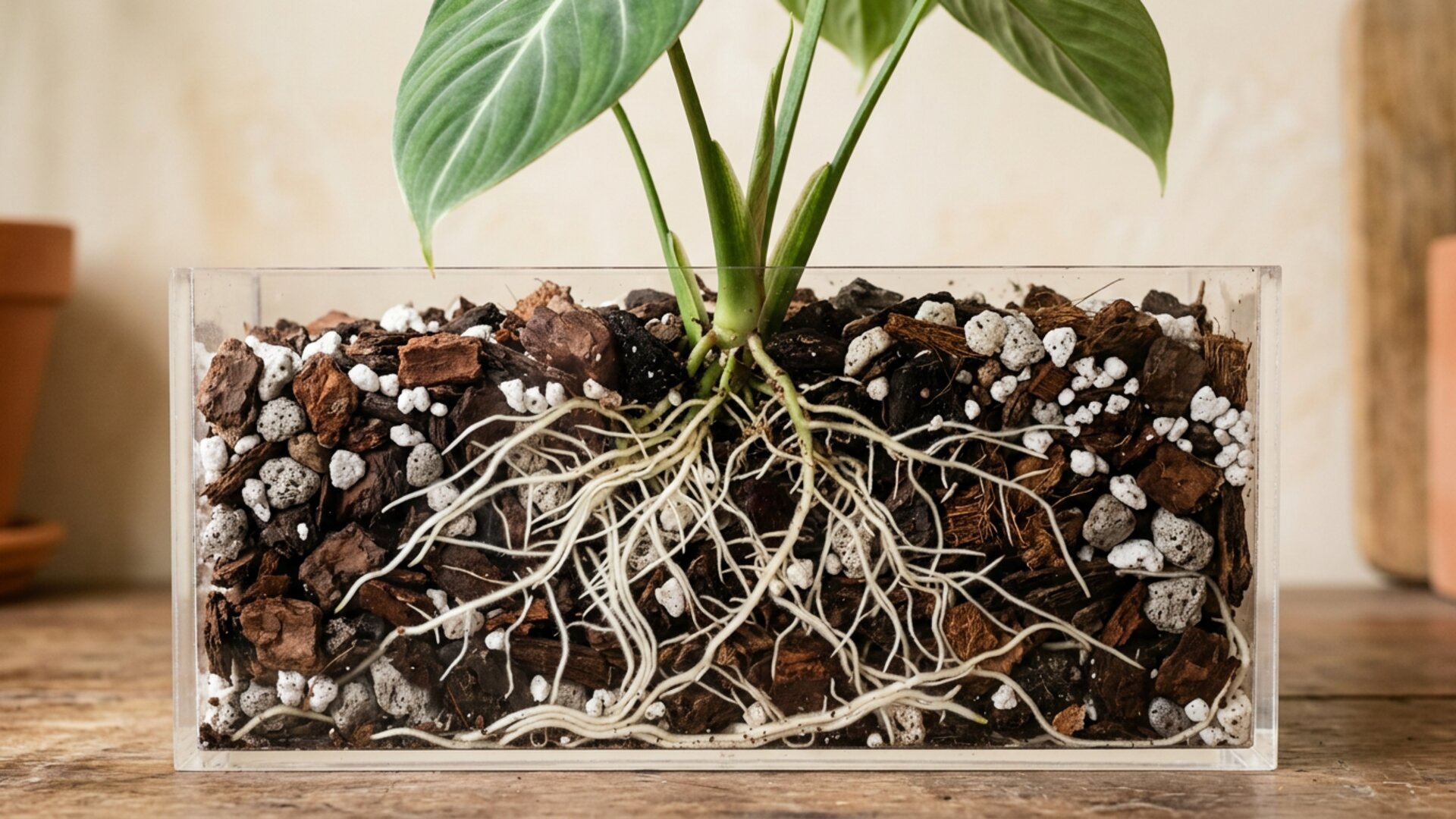
What plants are actually asking for from substrate, and the three-ingredient recipe that fixes most struggling houseplants.
 Going deeper
Going deeper
Air-filled porosity, capillary water, perched water tables, CEC, pH, and the oxygen variable nobody measures. The physics underneath every potting decision.
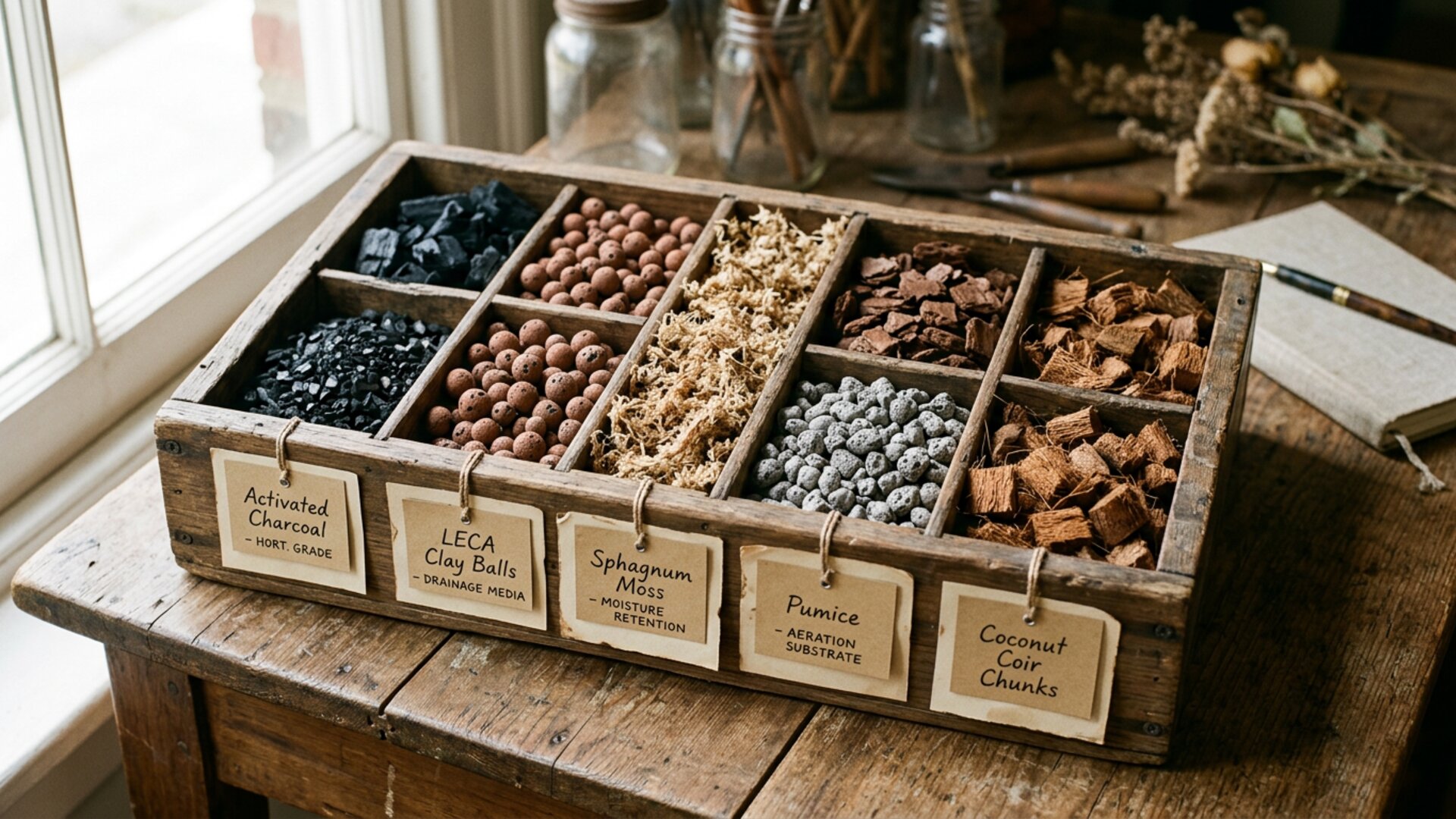 Reference
Reference
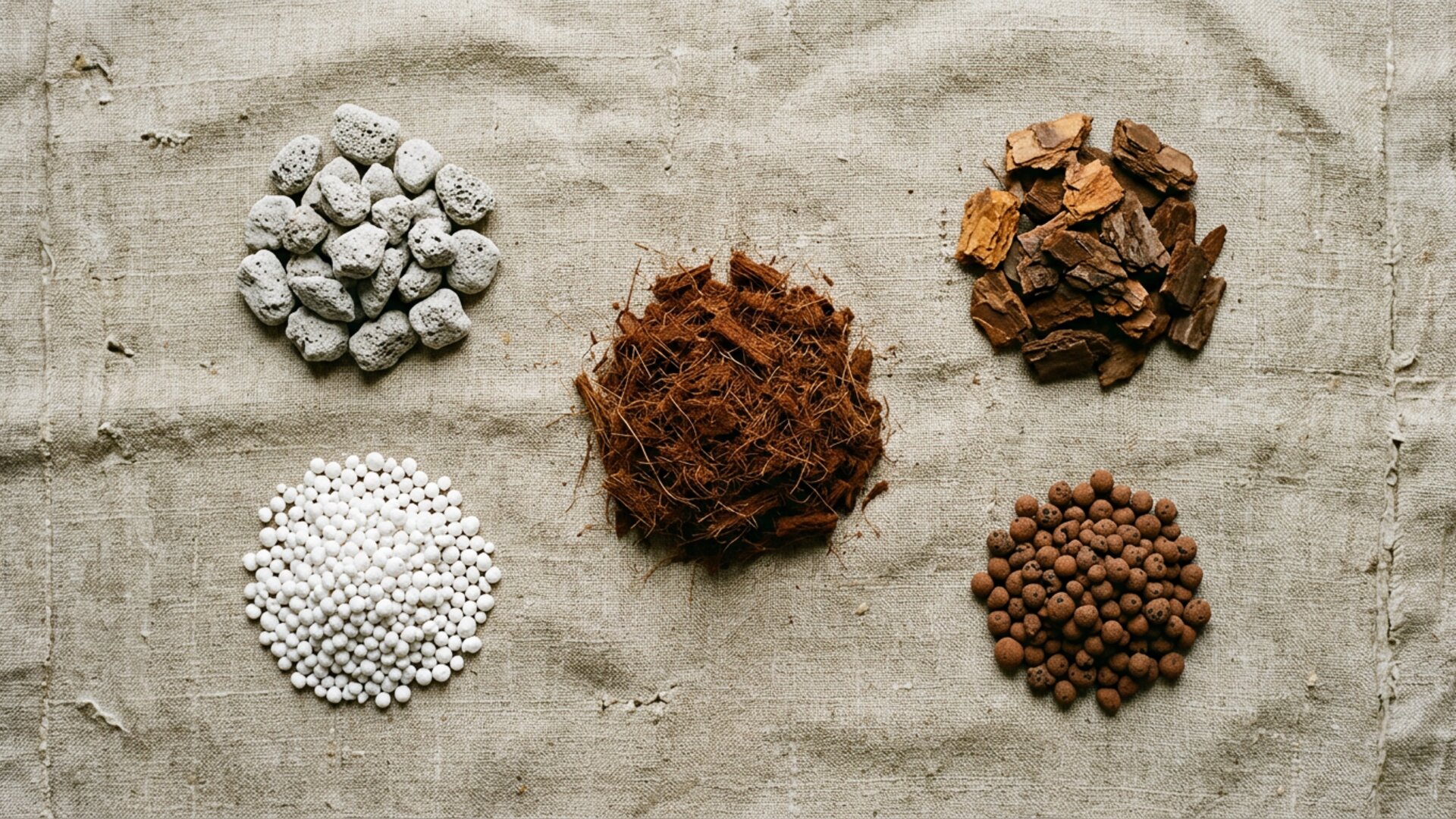
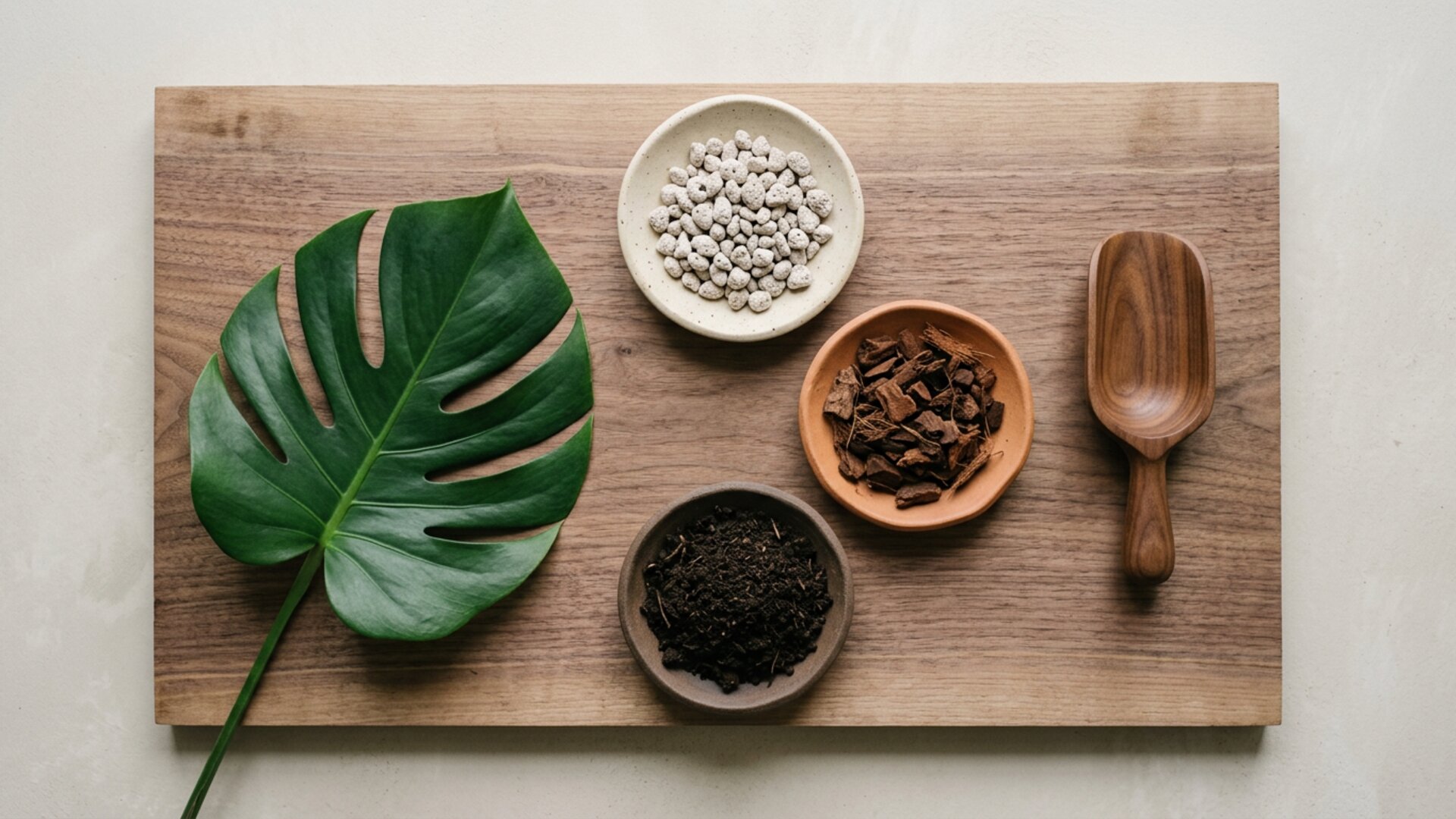
Pumice, perlite, zeolite, charcoal, coir, sphagnum, castings — every ingredient that goes in a chunky aroid mix, with the Guild's verdict on each. Including the ones we avoid.
 Practice
Practice
The framework behind every substrate recipe. How to work backward from what the plant needs and adapt any published mix for your own humidity, temperature, pot, and feeding style.
 System
System Overview
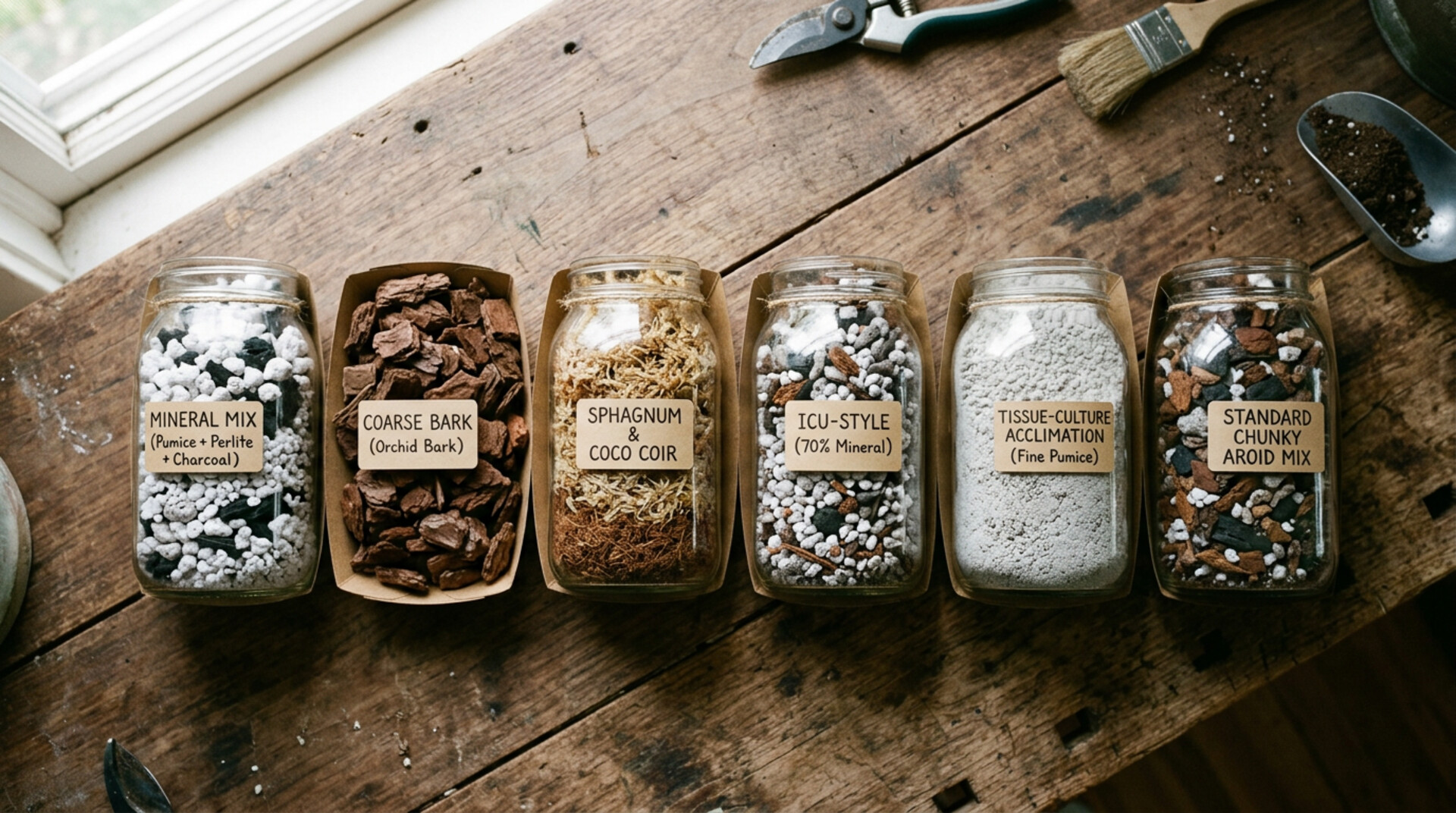
Six recipes, three layers, zero bark. The map of which mix fits which use case — from root rot recovery to tissue culture acclimation to everyday aroid maintenance.
 Recovery
Recovery Recipe
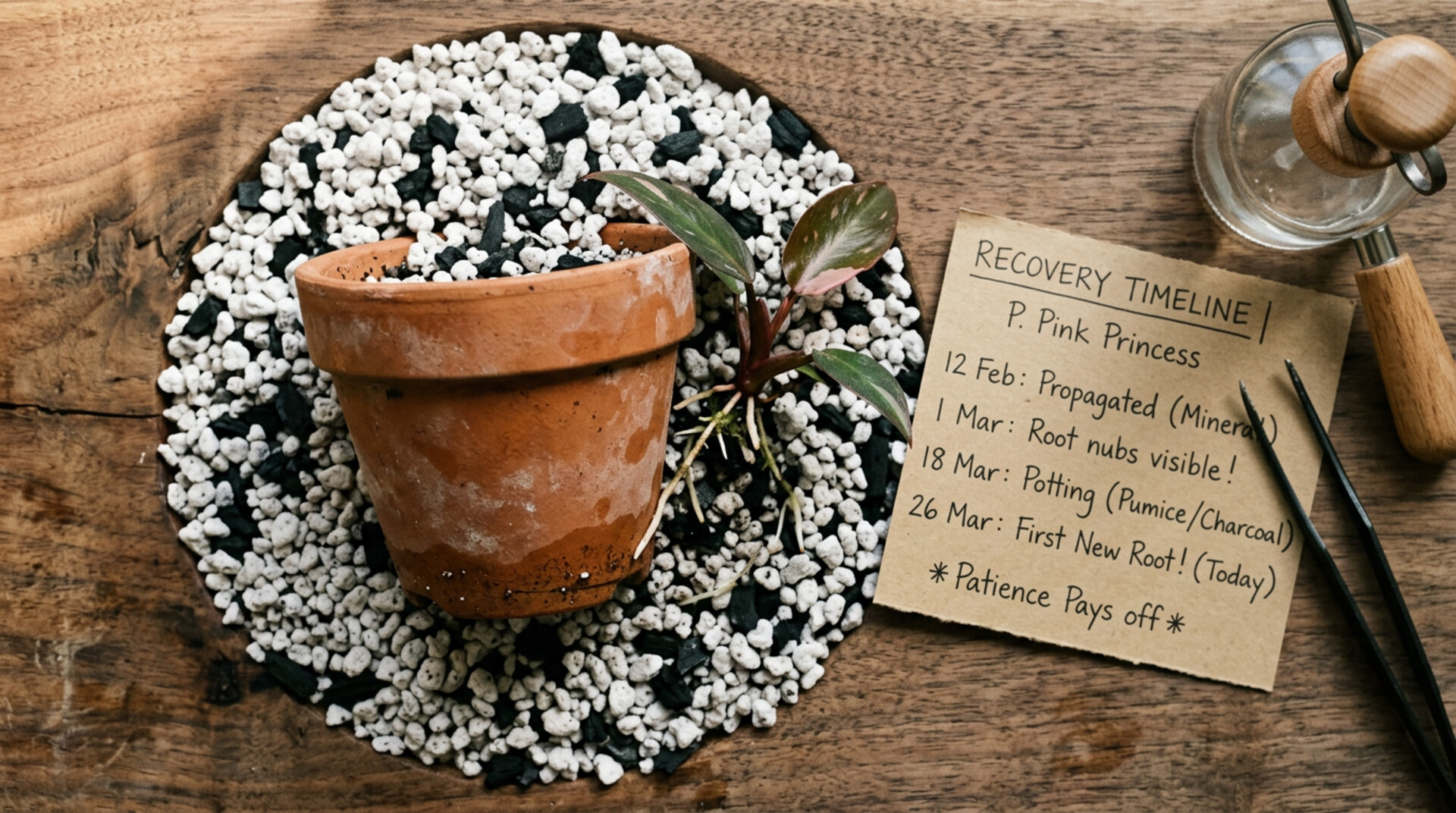
Seventy percent mineral, ten percent zeolite, zero bark. The recovery substrate the Guild reaches for when a plant arrives with black roots — plus the week-by-week protocol that gets it back.
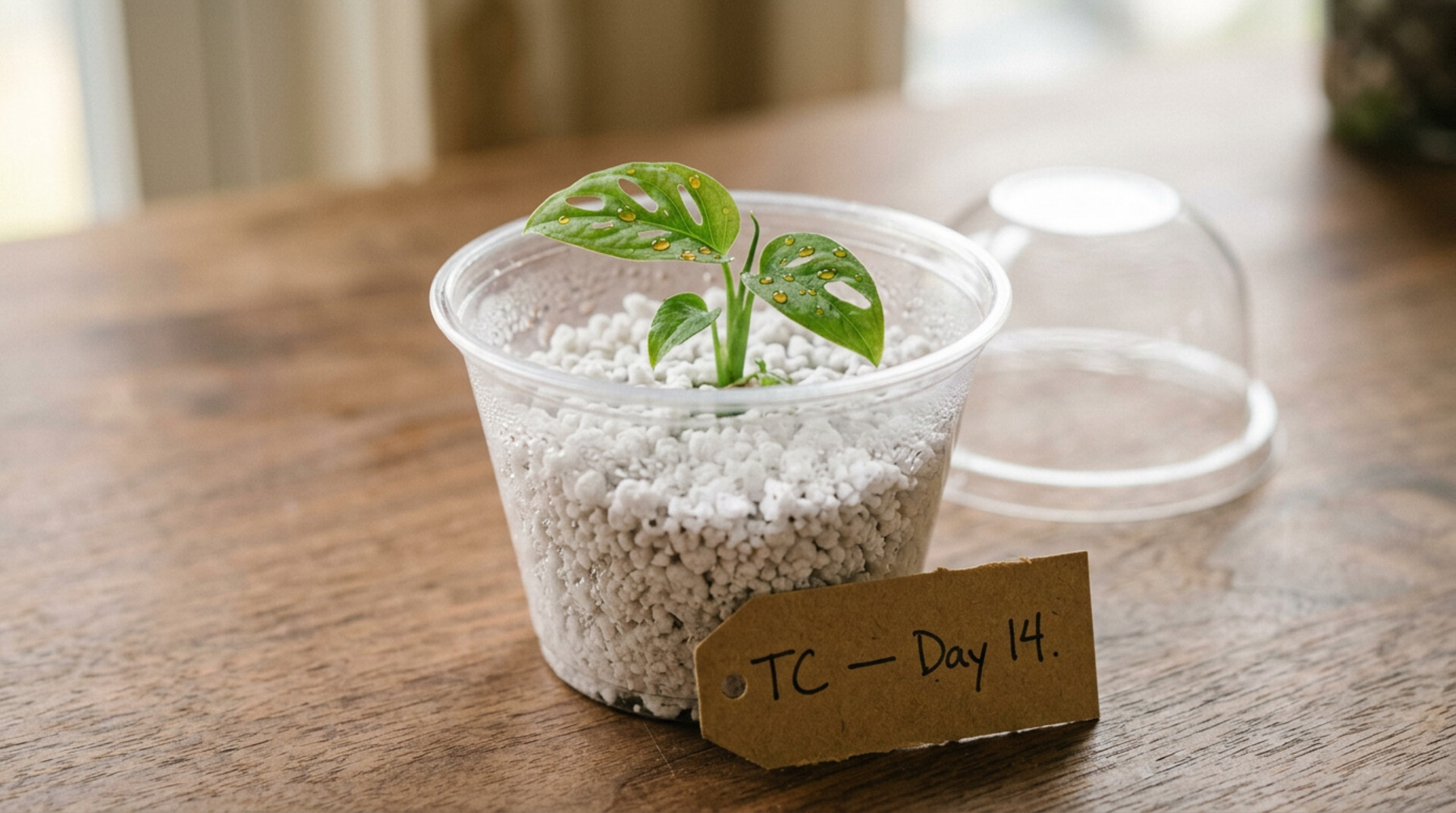 Specialist
Specialist
Substrate is a chassis, not a cure. What actually drives TC plantlet survival, and the mineral-based mixes the Guild uses across hundreds of acclimations.
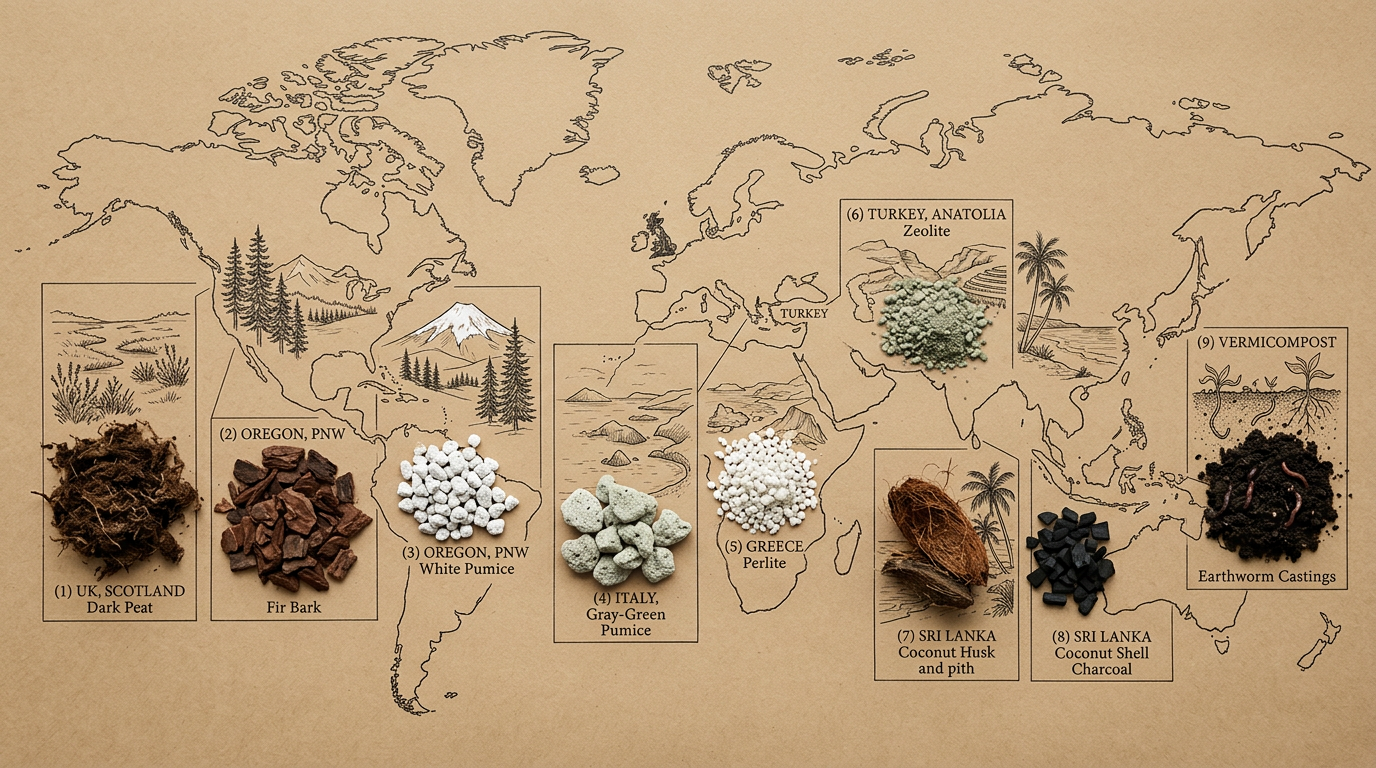 Finale
Finale · Stewards-tier
Every ingredient in a chunky aroid mix has a backstory. Tracing each one back to its origin (bog, beach, forest, volcano, mine) for Growers who think about how their bench connects upstream.
Pillar 02
Long-form portraits of single specimens, treated as botanical subjects — substrate, light, water, humidity, propagation, common failure modes. Editorial register, not whimsical.
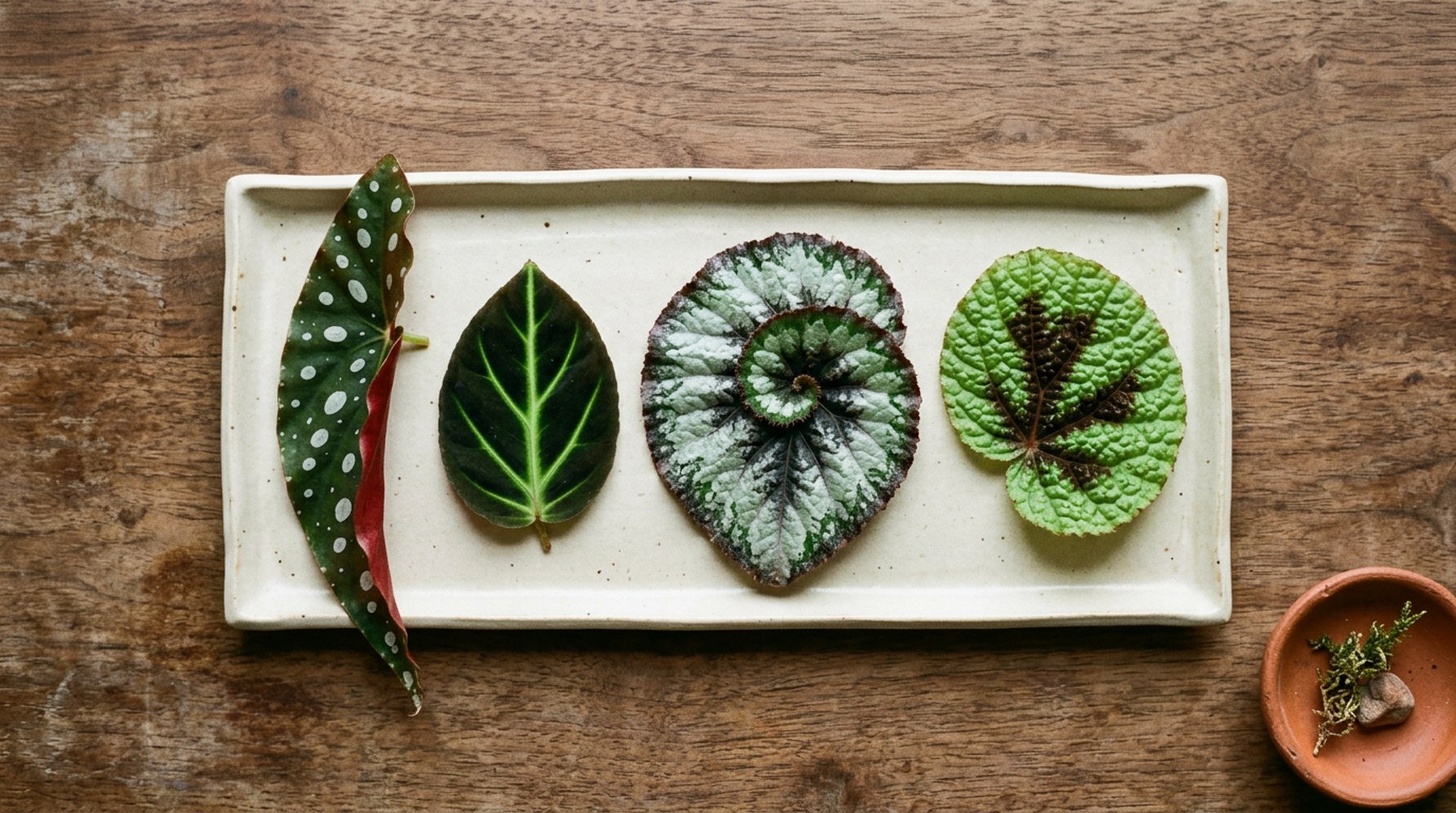 Genus Deep Dive
Genus Deep Dive · Begonia
Two thousand species across three continents. Anatomy, biogeography, species profiles, and the Rex cultivar lineages — assembled one specimen at a time.
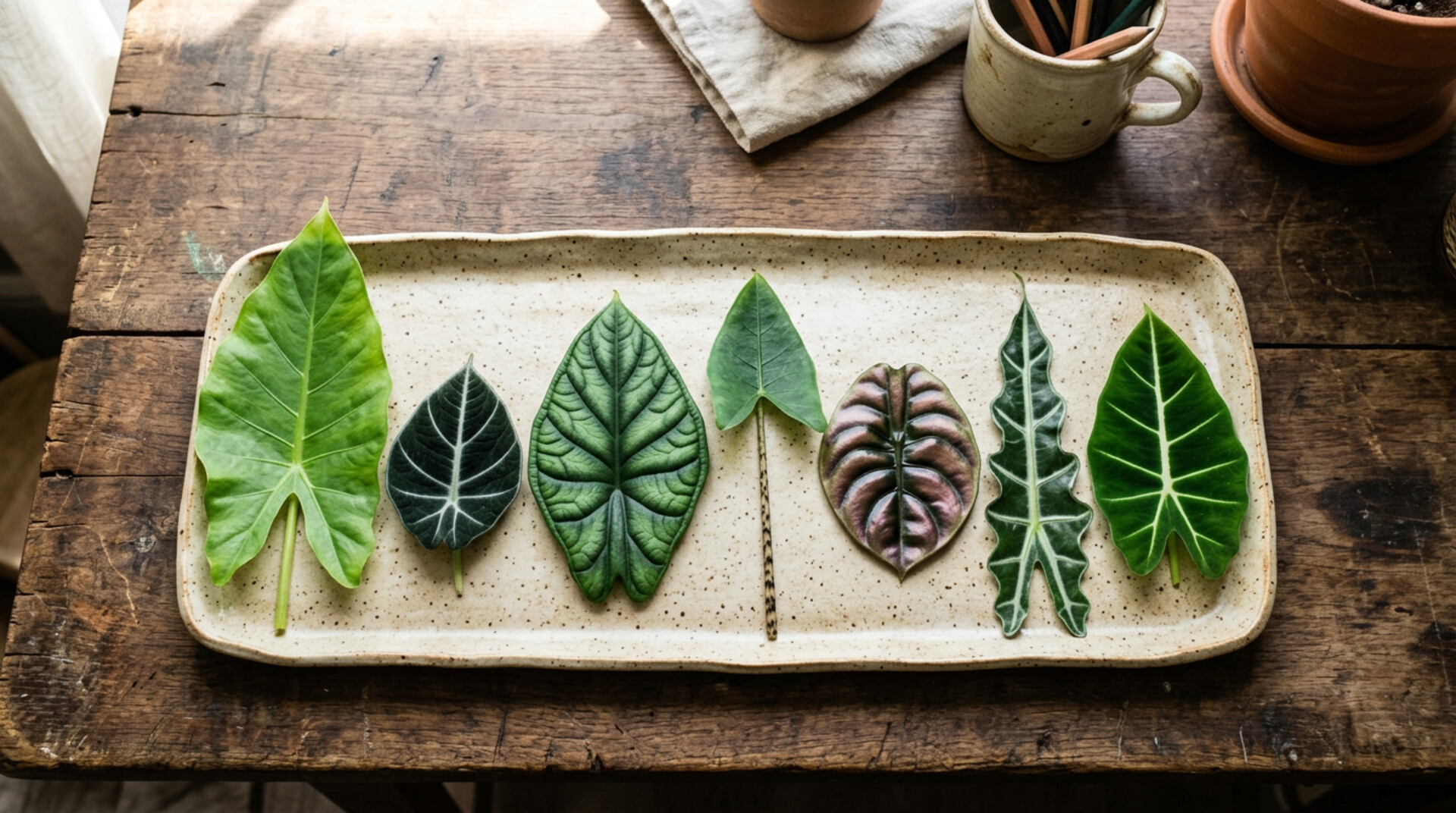 Genus Deep Dive
Genus Deep Dive · Alocasia
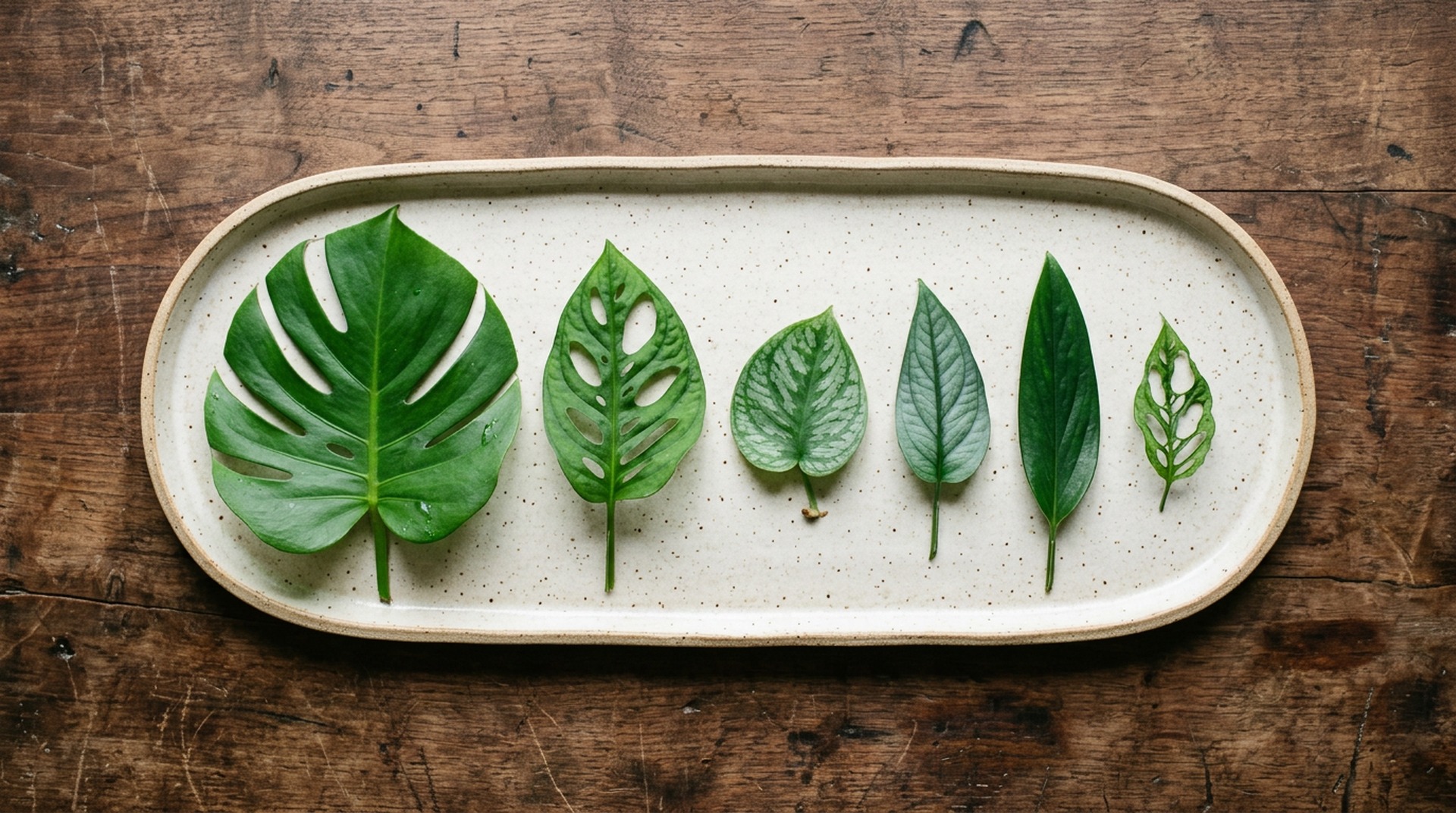
Eighty species across Southeast Asia. Anatomy, biogeography, the dormancy question that kills most plants, species profiles, variegated cultivars, and the four genera that get sold as Elephant Ear.
 Genus Deep Dive
Genus Deep Dive · Monstera
About fifty species from southern Mexico to Bolivia. Heteroblasty, the cloud-forest story, fenestration as a light strategy, and the cousin imposters that get sold as Monstera and aren't.
 Profile
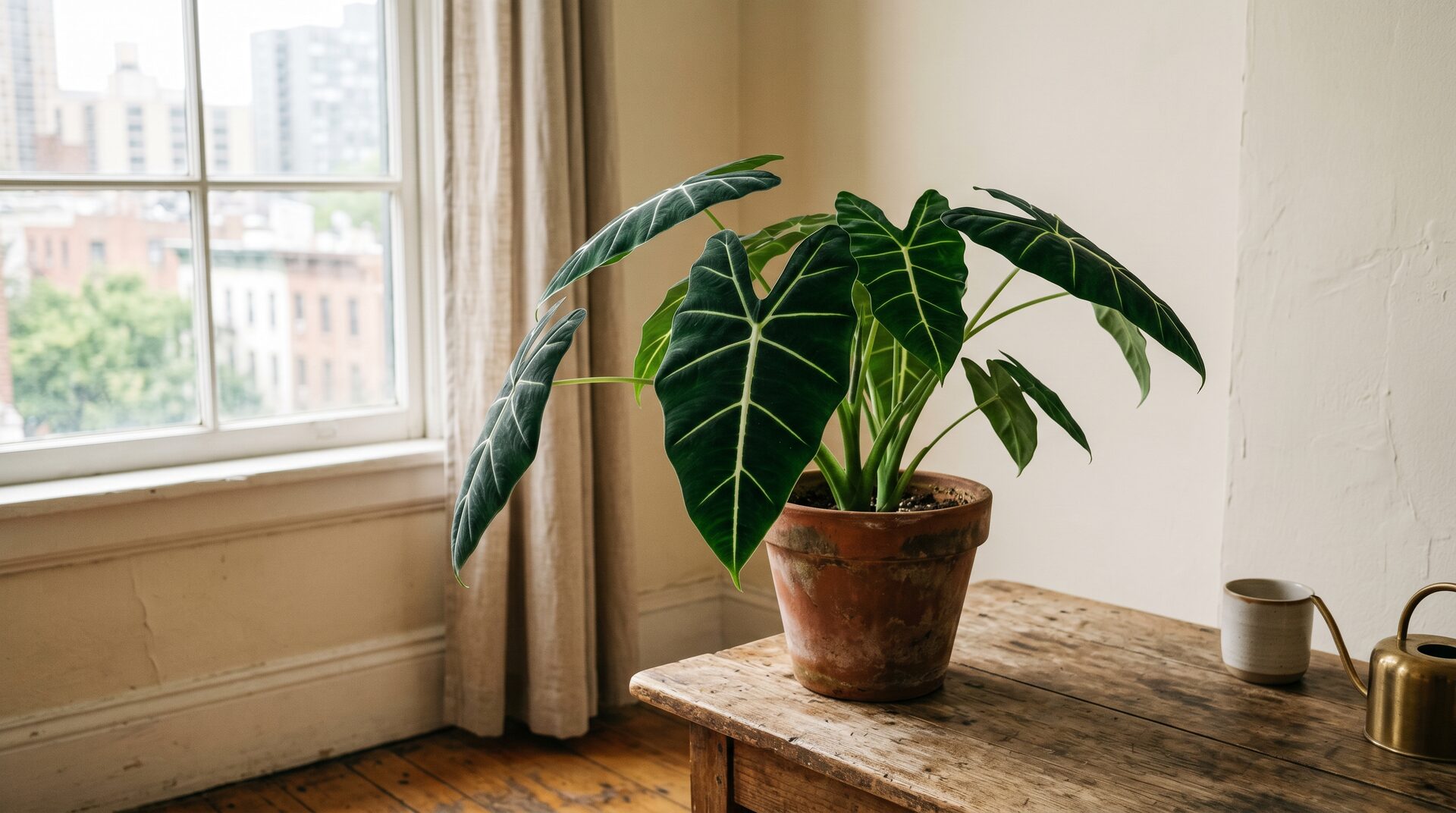
Profile · Alocasia
A field guide to Alocasia micholitziana 'Frydek' — light, water, humidity, substrate, and how to read its many moods.
 Profile
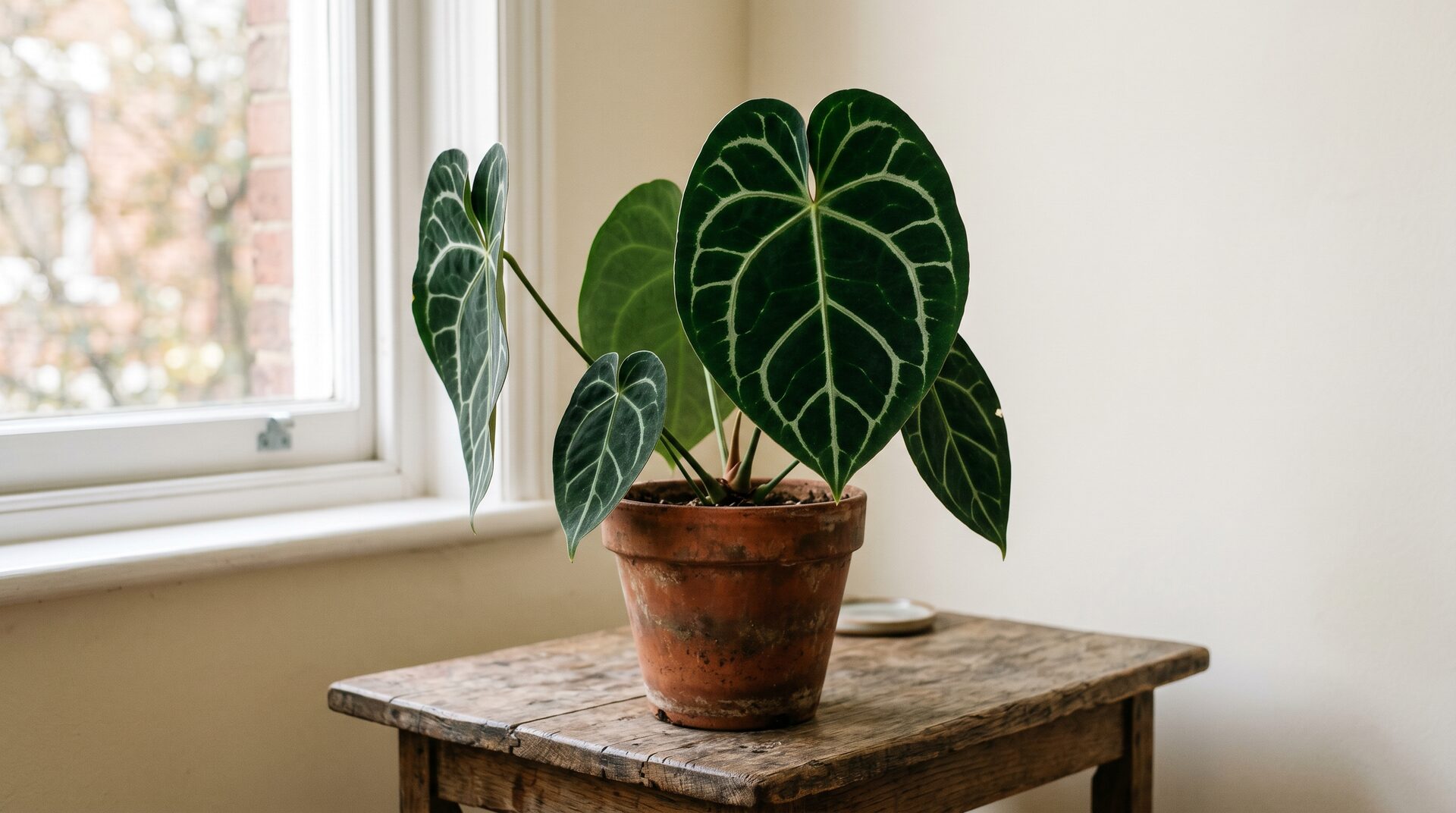
Profile · Anthurium
The velvet-leaved anthurium with silver veining — its decade-long journey from obscure to famous, plus what it actually wants to thrive indoors.
 Profile
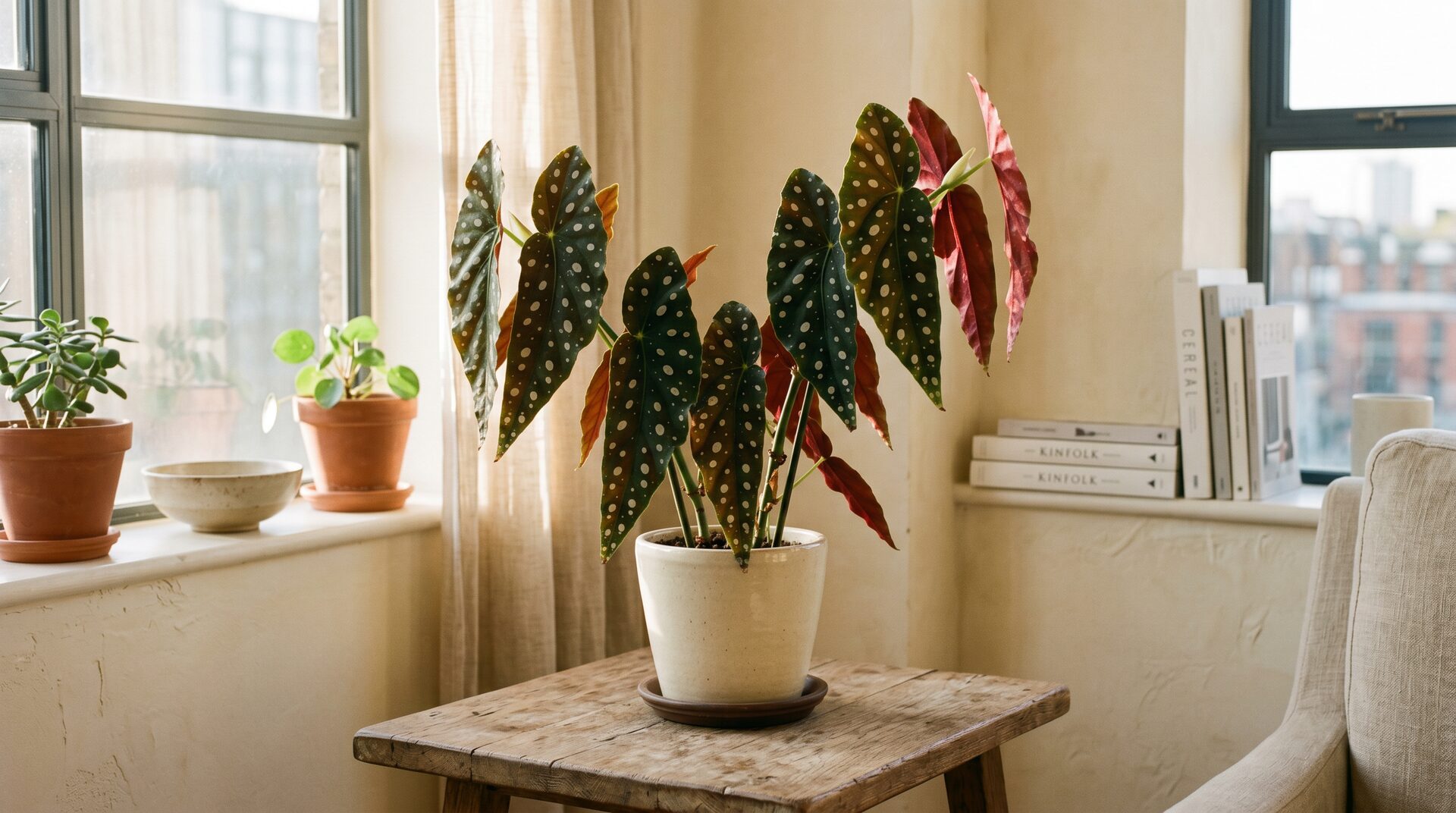
Profile · Begonia
A field guide to Begonia maculata — light, water, humidity, substrate, and what those polka dots are actually for.
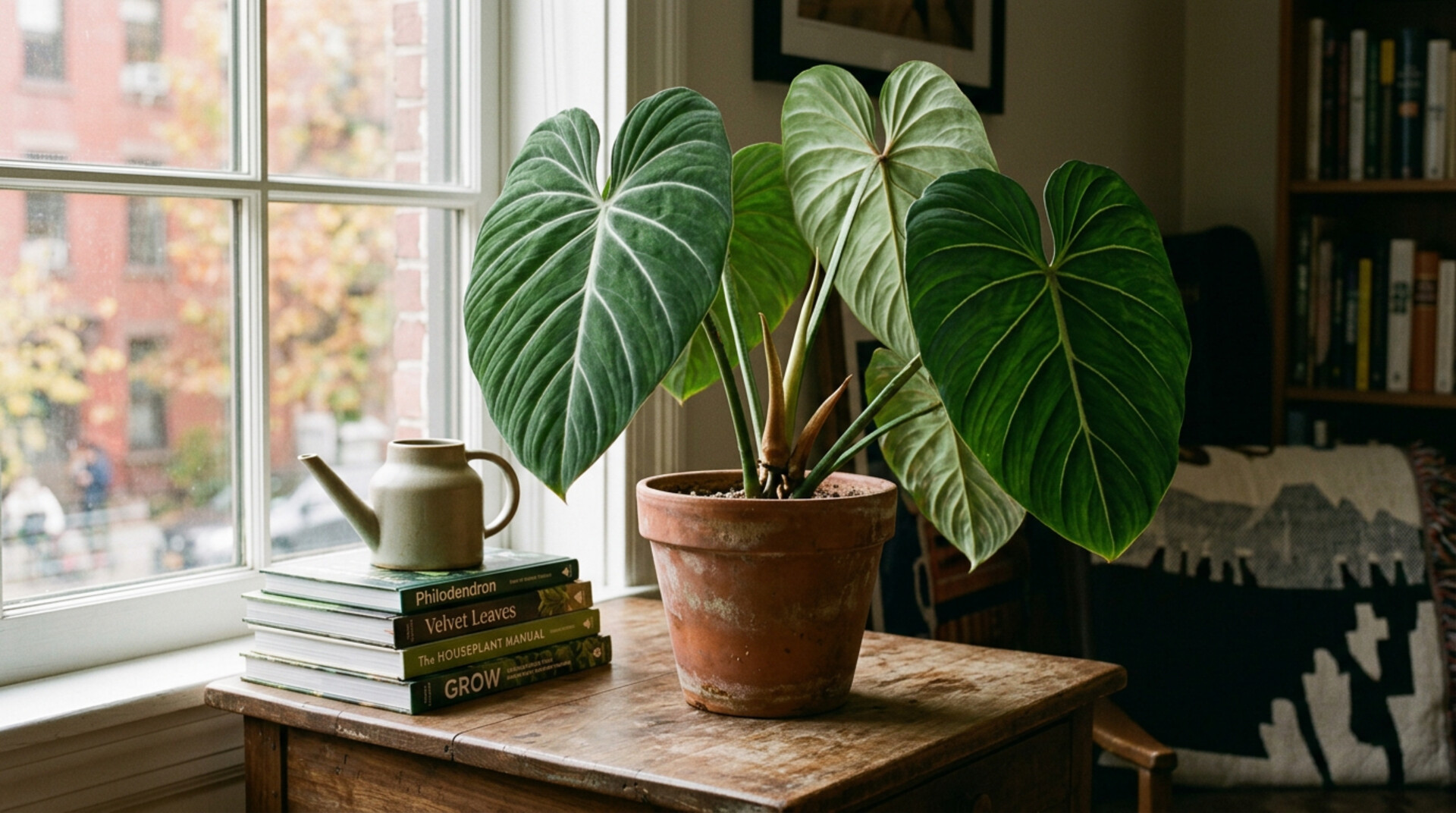 Profile
Profile · Philodendron
A field guide to the rhizomatous gloriosum × pastazanum hybrid. The leaves sell the plant; the rhizome decides whether you keep it happy.
Pillar 03
The working-grower's reference shelf. Pest IDs, repotting protocols, light troubleshooting, cross-genus substrate notes — formatted as scannable dossiers, written for growers who keep collections. New entries biweekly.
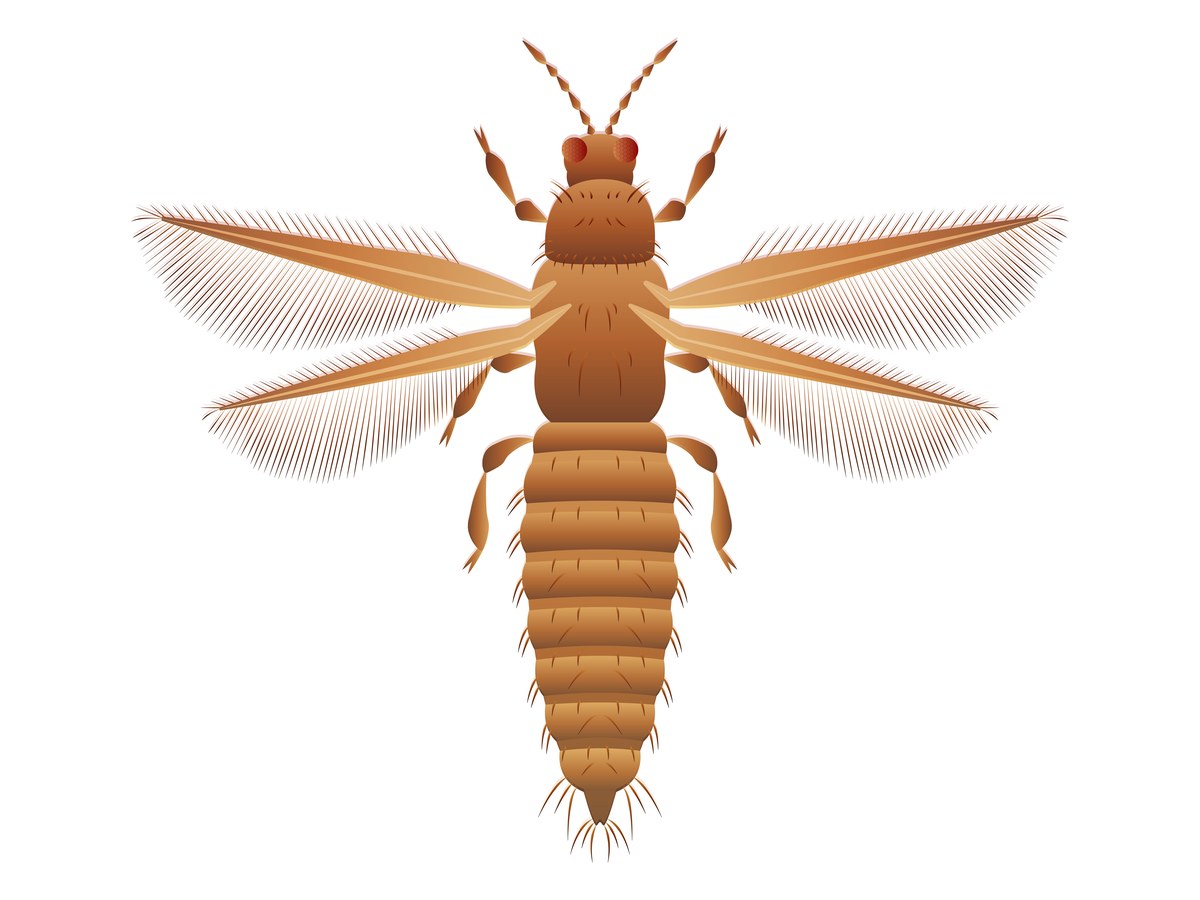 Pest ID
Pest ID Dossier No. 01
Identification, lifecycle math, and a four-tier apprehension protocol — including why spinosad runs three cycles and why systemic imidacloprid almost never belongs indoors.
 Pest ID
Pest ID Dossier No. 02
Why a colony goes from invisible to webbing in three weeks, the white-paper-tap diagnostic, and a four-tier protocol that escalates from water to predators to last-resort miticide rotation. Spinosad does not work on mites.
Pillar 07 · Seasonal · Summer 2026
A summer-2026 series on California native plants for Bay Area gardens. Editorial plant lore plus practical sourcing and timing — when to plant for fall establishment and where to source ethically through CNPS chapter sales. Twelve entries, weekly Saturdays, June through August.
Pillar 06
The tools that actually do the work. Systematic comparative reviews — we test 4–6 products in a category over 4–8 weeks of real use, then publish the methodology, results, and the Winner / Best Buy / Also Recommended hierarchy. America's Test Kitchen, for gardening tools. New entries biweekly on Wednesdays.
Pillar 04
Tools, calendars, and timing references for growers planting now.
ToolTool
Live planting calendar for Santa Clara County. What to plant this week, what's coming, and what's harvest-ready — by season, climate zone, and audience tier.
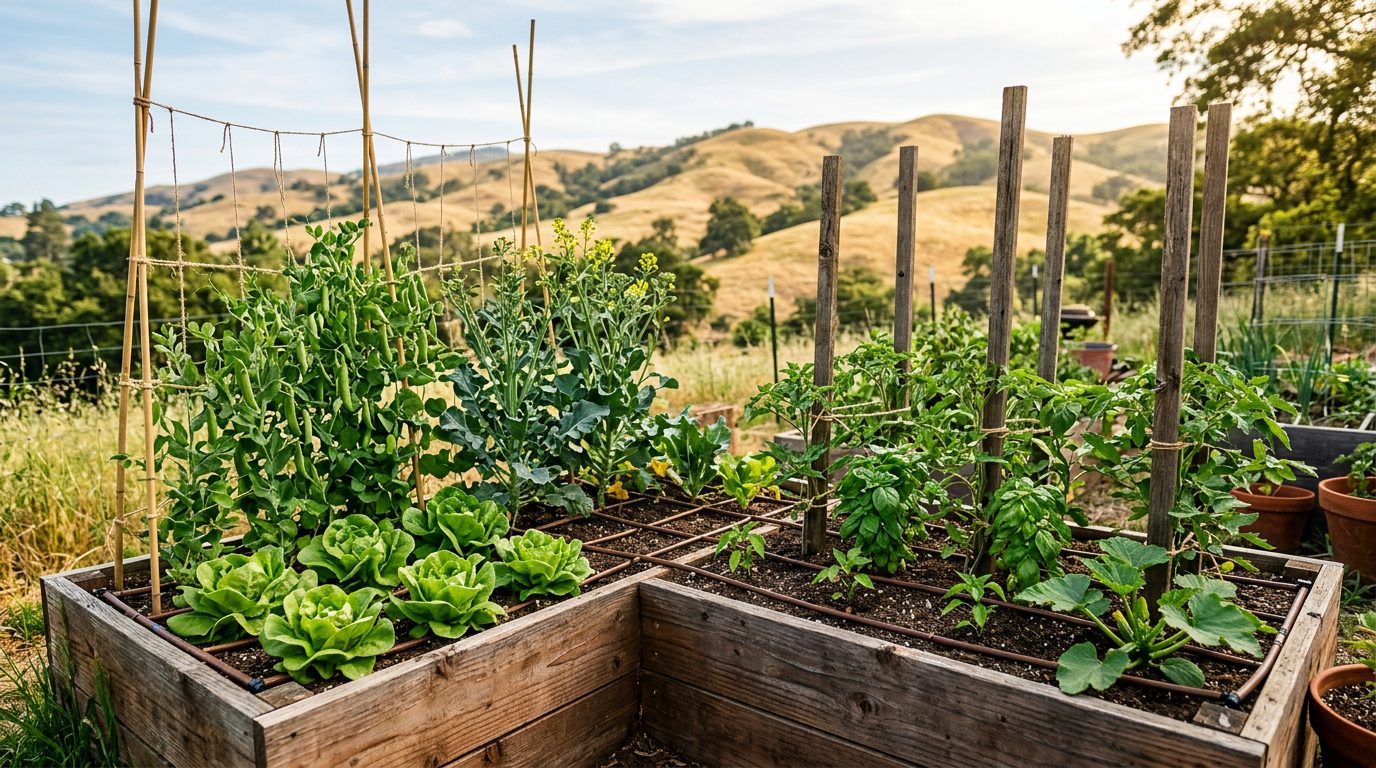 Reference
Reference
An interactive month-by-month planting calendar for the South Bay. Filter by what works in containers, on a balcony, or in the ground — with cool-season and warm-season distinctions called out clearly.
Pillar 05
Scrappy balcony, condo, and small-space gardening — the urban edge of the Guild. Honest about what works and what doesn't when "yard" isn't on the table. Folded in from Downtown Mister Gardener.
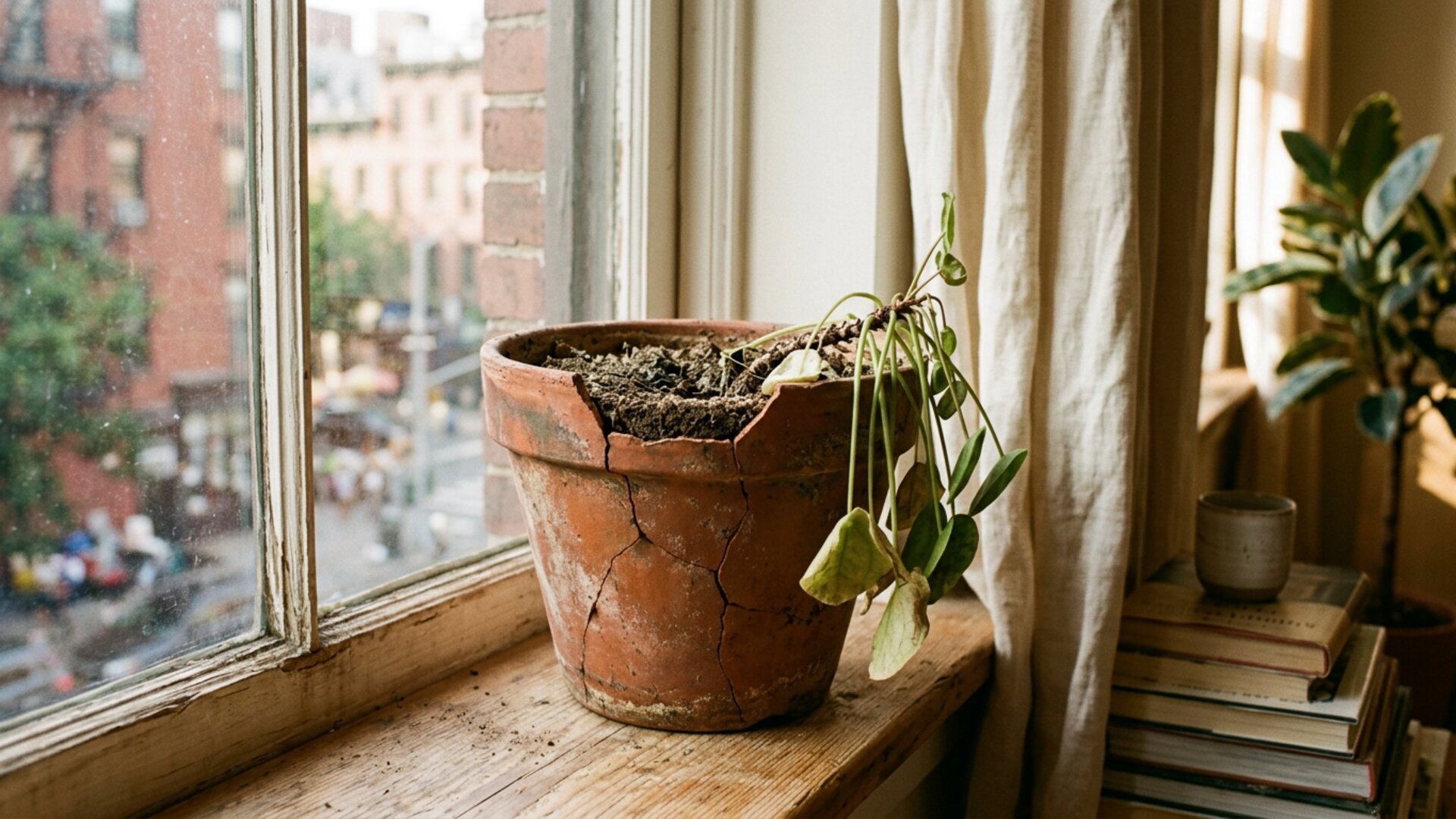 Foundation
Foundation
The friendly intro to substrate for first-plant Apprentices. What roots actually want, why most bagged mix is bad at it, and the ten-minute fix using stuff at any garden center.
 Foundation
Foundation
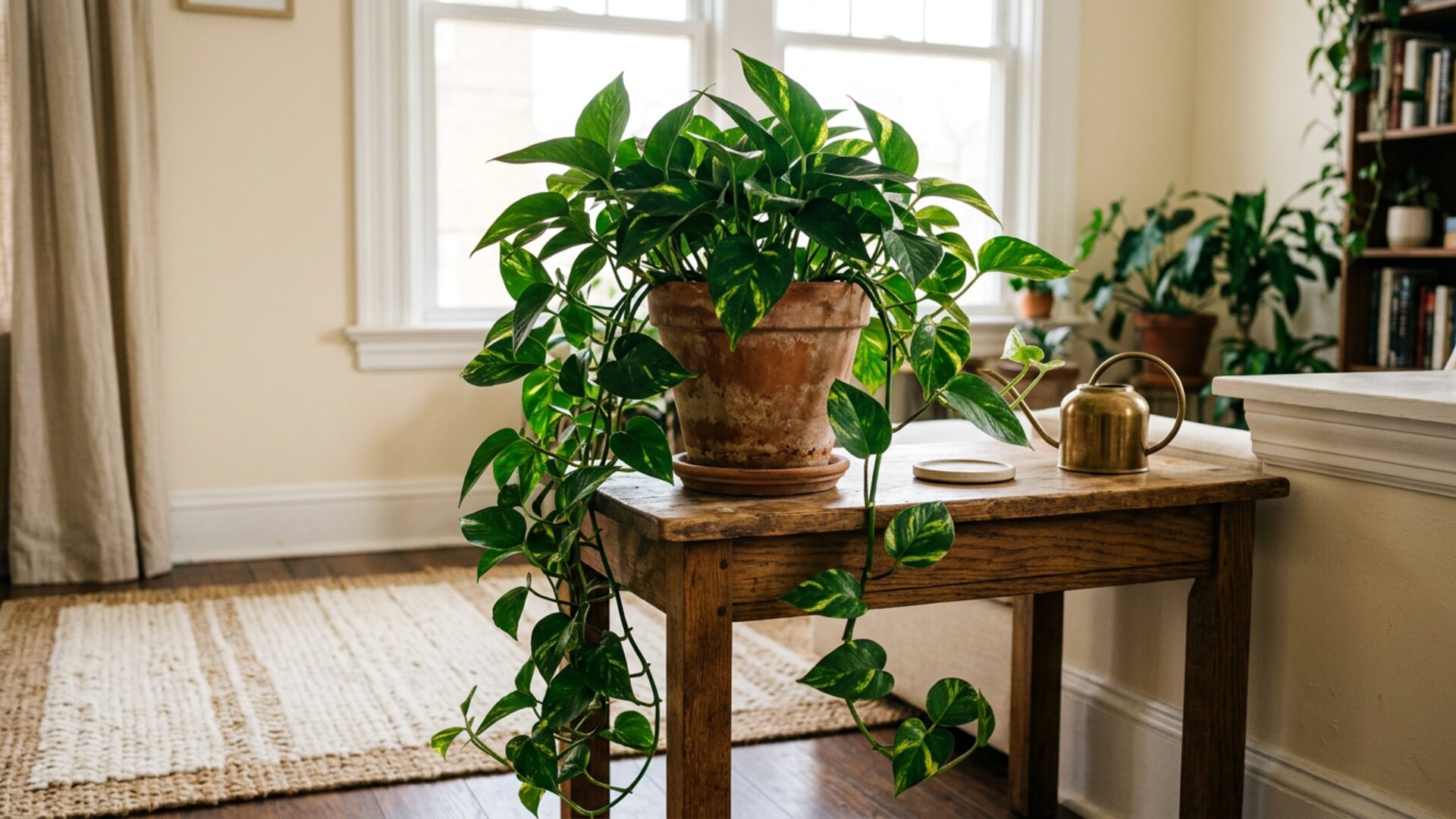
The best first plant an Apprentice can own. Eight varieties worth knowing, light and water that actually works in apartments, propagation in a jar of water, and a note on pets.
 Container vegetables
Container vegetables
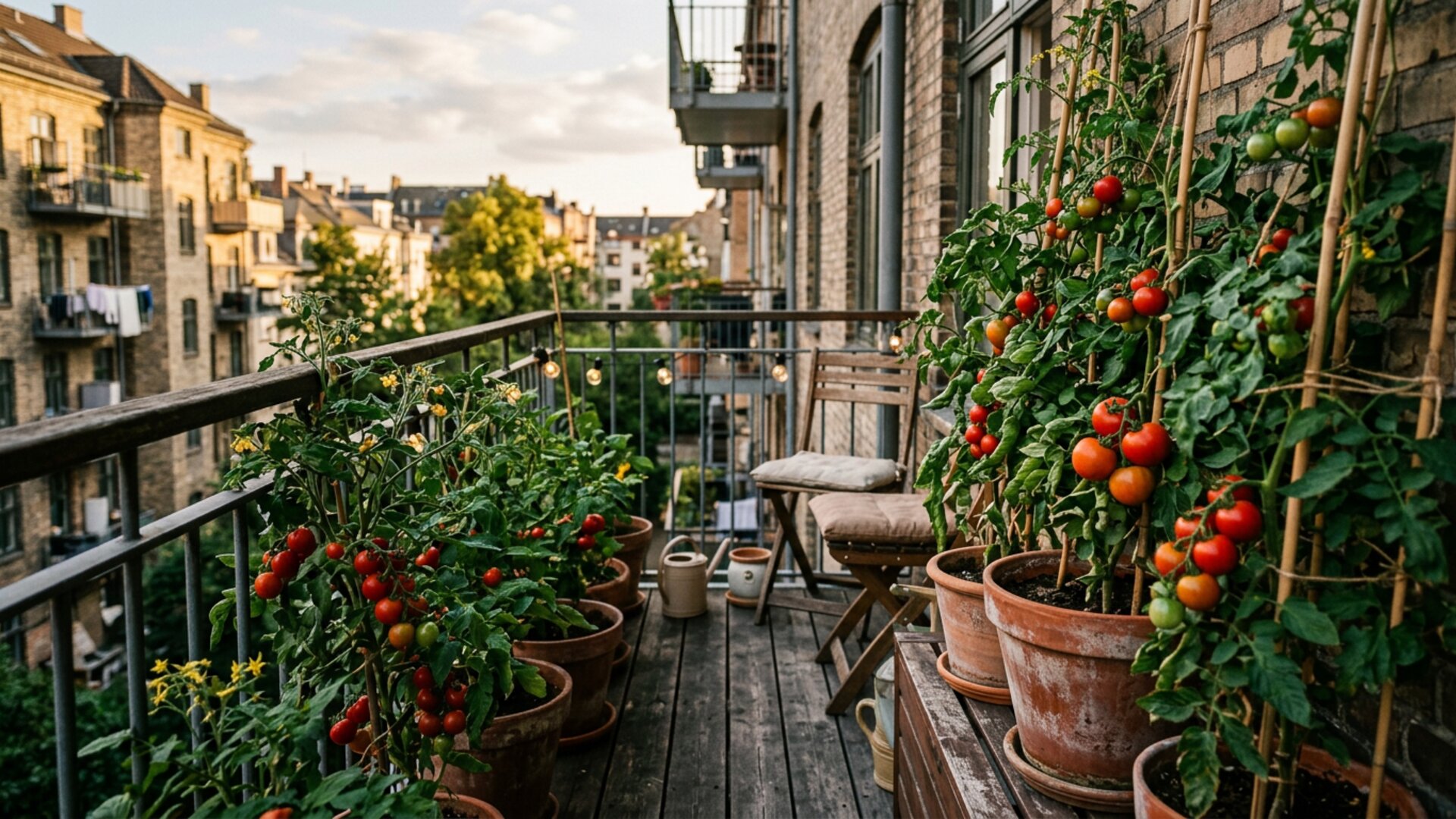
Container choice, variety selection, the sun math, and the watering reality. Everything an Apprentice needs to actually get fruit on a high-rise balcony.
 Quick Tips
Quick Tips
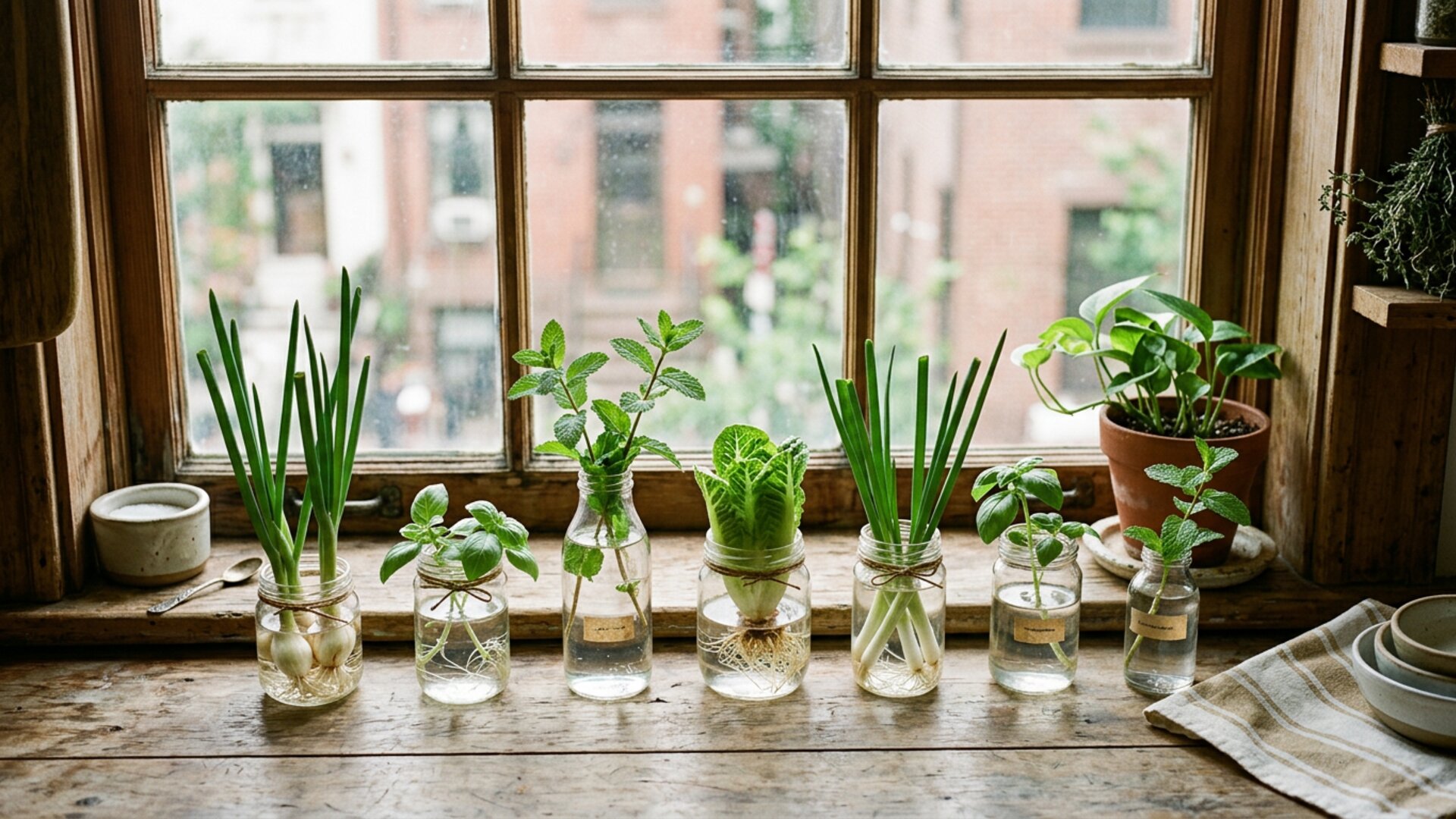
Basil, scallions, and mint — three soft-stemmed herbs that root reliably in a glass of water. Free plants from a $3 grocery bunch and a sunny windowsill.
In production
The Guild's first batch of printable, designed-for-the-bench PDFs is being drafted now — deep, long-form Member-only Grow Guides on subjects we don't publish on the open site. None are shipping yet; this is the roadmap.
Each will carry the Guild seal and your member name, sized to print on standard paper or take to the garden center on your phone. Founding Members get them as they ship.
Become a Founding MemberMember PDF · Drafting
One printable page per plant, with substrate ratio, watering cadence, and red-flag failure modes — the Guild's bench notes, formatted to live next to your collection.
Member PDF · Drafting
Step-by-step protocol for moving tissue-culture plantlets from agar to soil — including the Guild's iodine-based deflasking method.
Member PDF · Researching
Forty native species that thrive in containers, with a county-by-county compatibility matrix and water-budget notes.
Member PDF · Researching
Month-by-month repotting windows broken out by plant family — the working calendar the Guild uses for its own collection.