Seasonal Series · Summer 2026

California Natives

A twelve-entry season on California native plants for Bay Area gardens. Plant lore plus practical sourcing — when to plant for fall establishment, where to buy ethically through California Native Plant Society (CNPS) chapter sales, and how to site each species for the conditions it actually wants. Weekly Saturdays, May 16 through August 1.

12Entries this season 1Live now SatWeekly cadence SF BayPrimary region
The 2026 Season
12 entries · May 16 — August 1
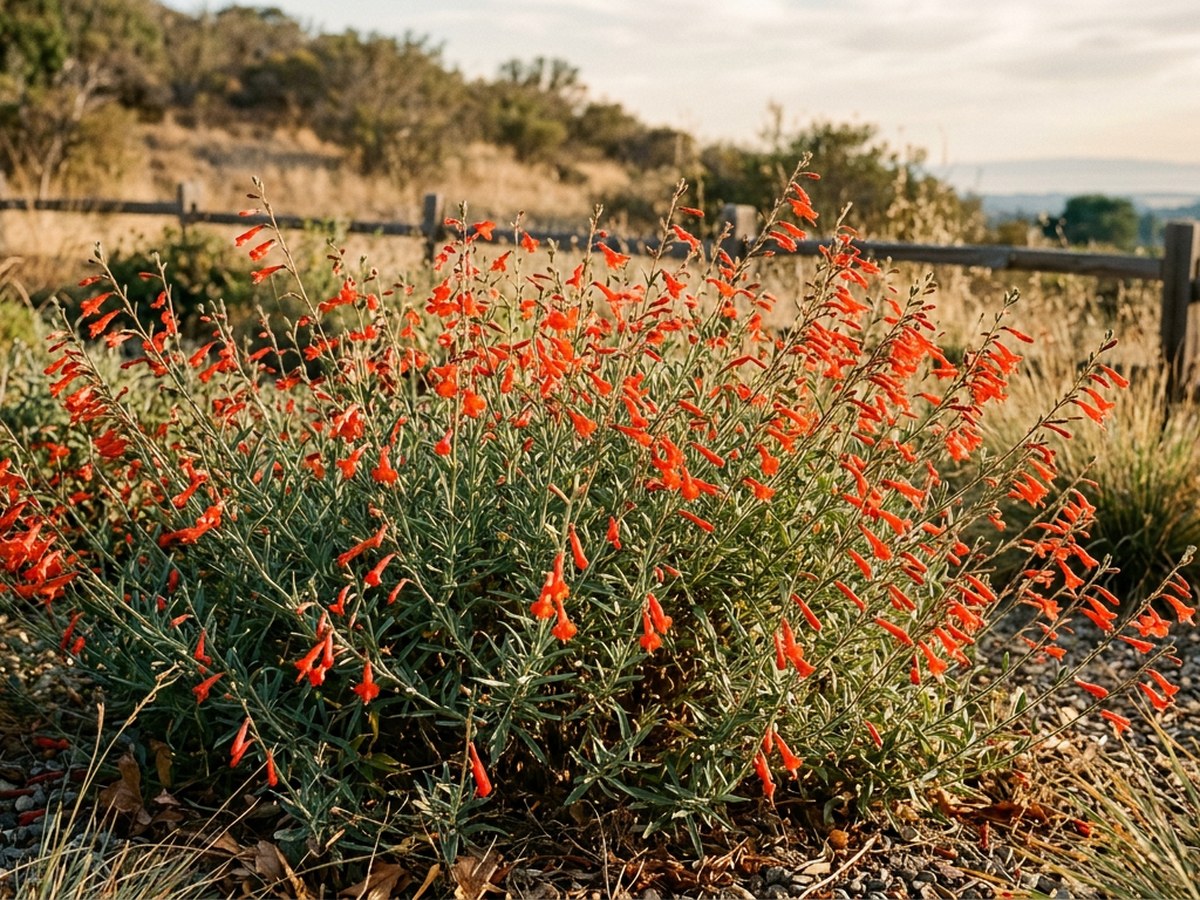
California Fuchsia in late-summer bloom, scarlet-orange tubular flowers on slender stems against gray-green foliage

Live · Series Kickoff

California Fuchsia

Epilobium canum subsp. canum
The drought-tolerant native that hits its scarlet-orange stride in August, right when the rest of the native garden has gone quiet.

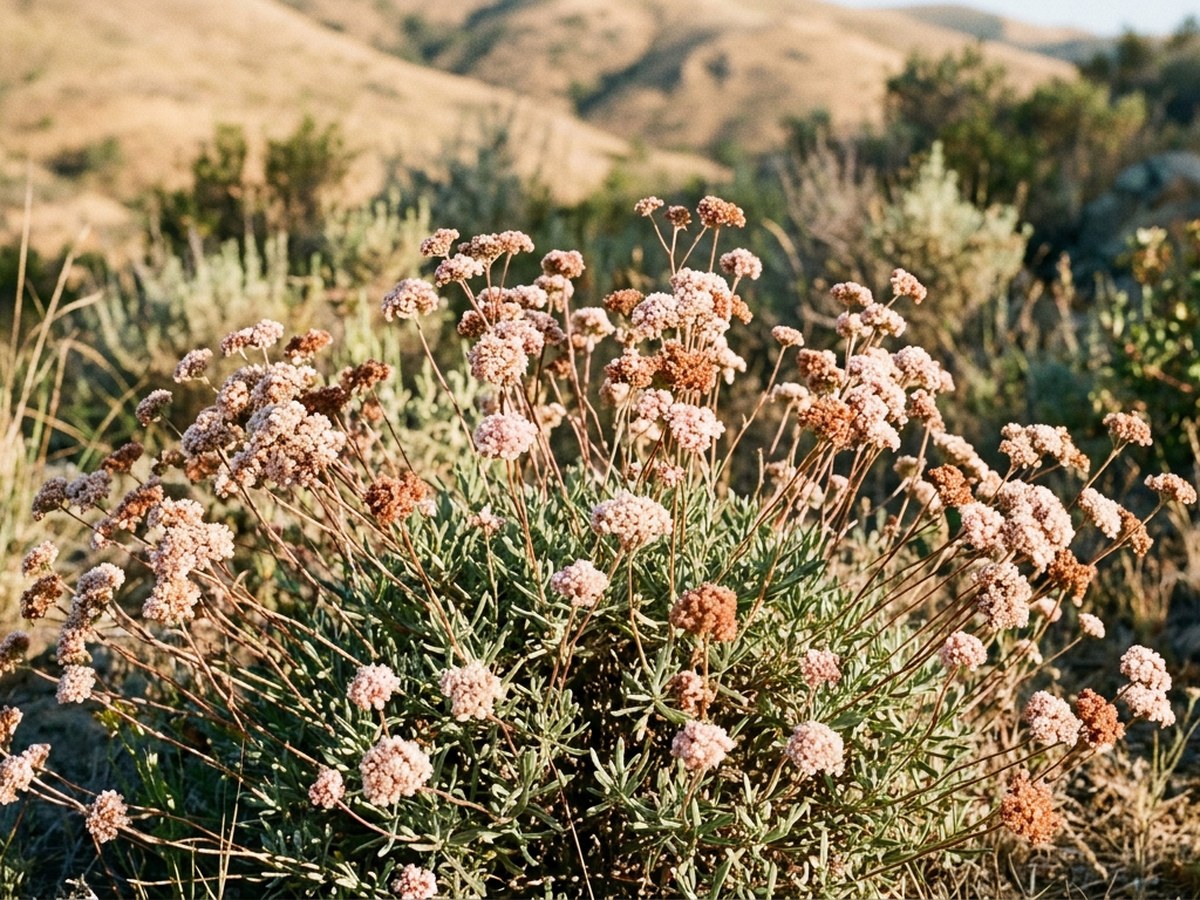
California Buckwheat (Eriogonum fasciculatum) in mid-summer bloom, button-flower clusters above wiry gray-green foliage

Coming May 23

California Buckwheat

Eriogonum fasciculatum
The Bay Area's other essential late-summer bloomer. Pollinator magnet, lean-soil champion.

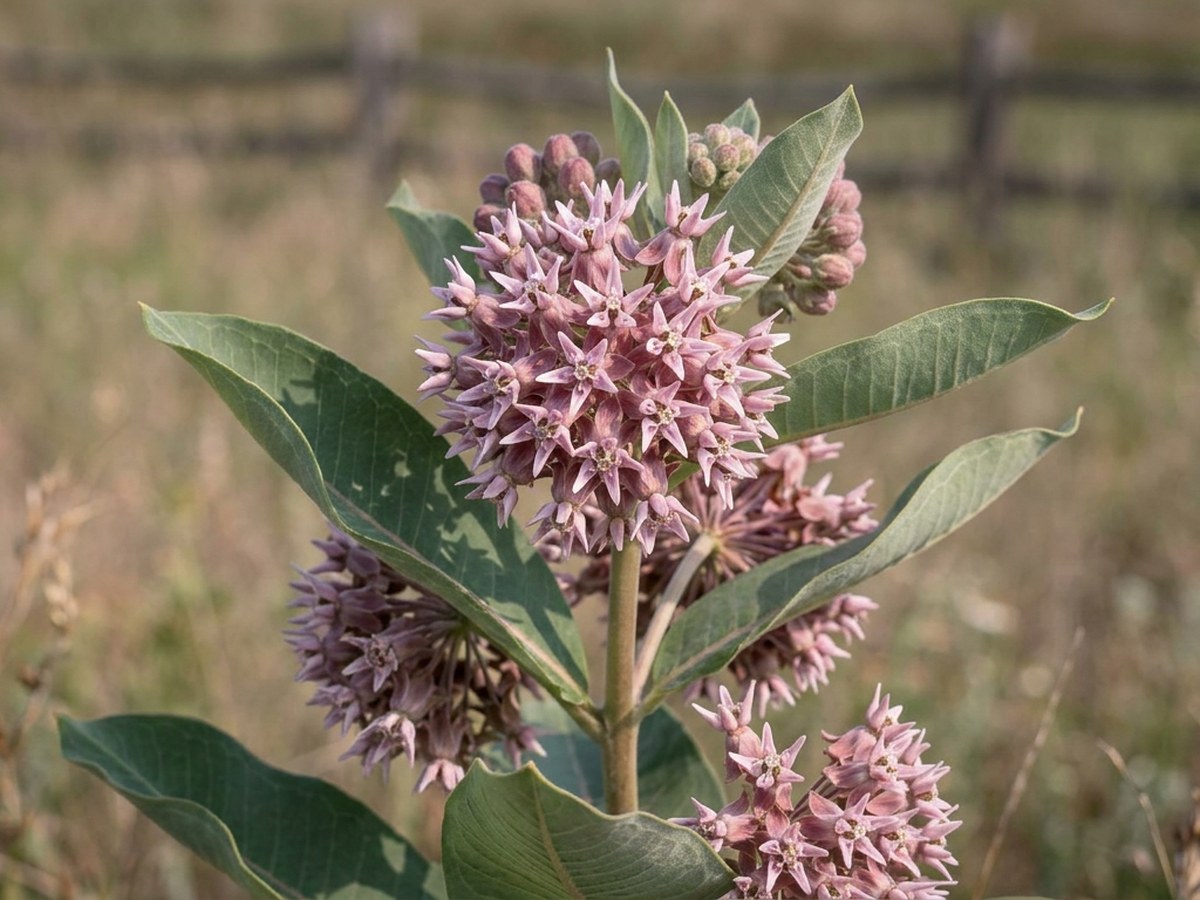
Showy Milkweed (Asclepias speciosa) in full bloom, spherical waxy pinkish-lavender flower cluster above broad blue-green leaves

Coming May 30

Milkweed

Asclepias speciosa
The monarch host plant the West Coast actually needs. Why species matters more than the catalogue label suggests.

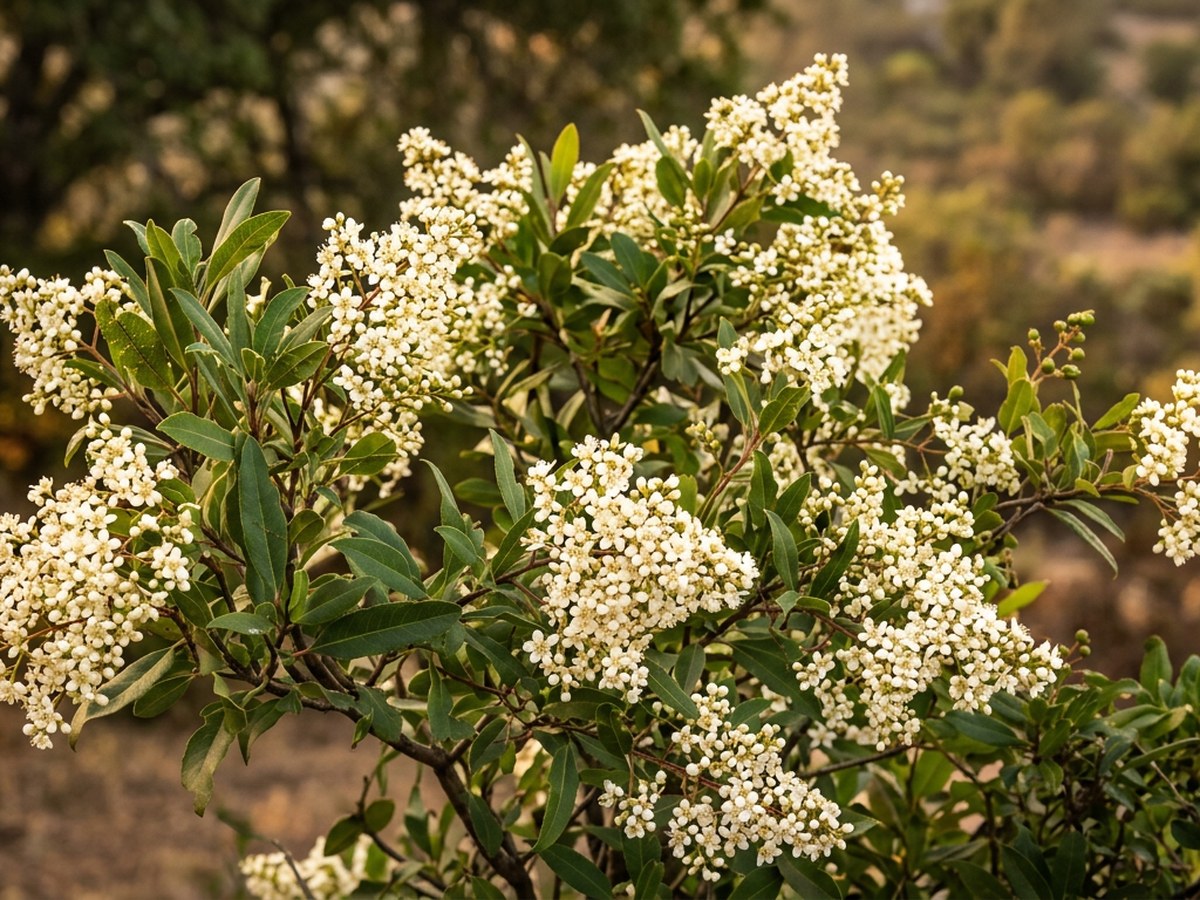
Toyon (Heteromeles arbutifolia) in full early-summer bloom, cascading panicles of small white flowers over glossy dark-green leaves

Coming Jun 6

Toyon

Heteromeles arbutifolia
Hollywood's namesake. Evergreen structure, white flowers, red berries that feed birds through winter.

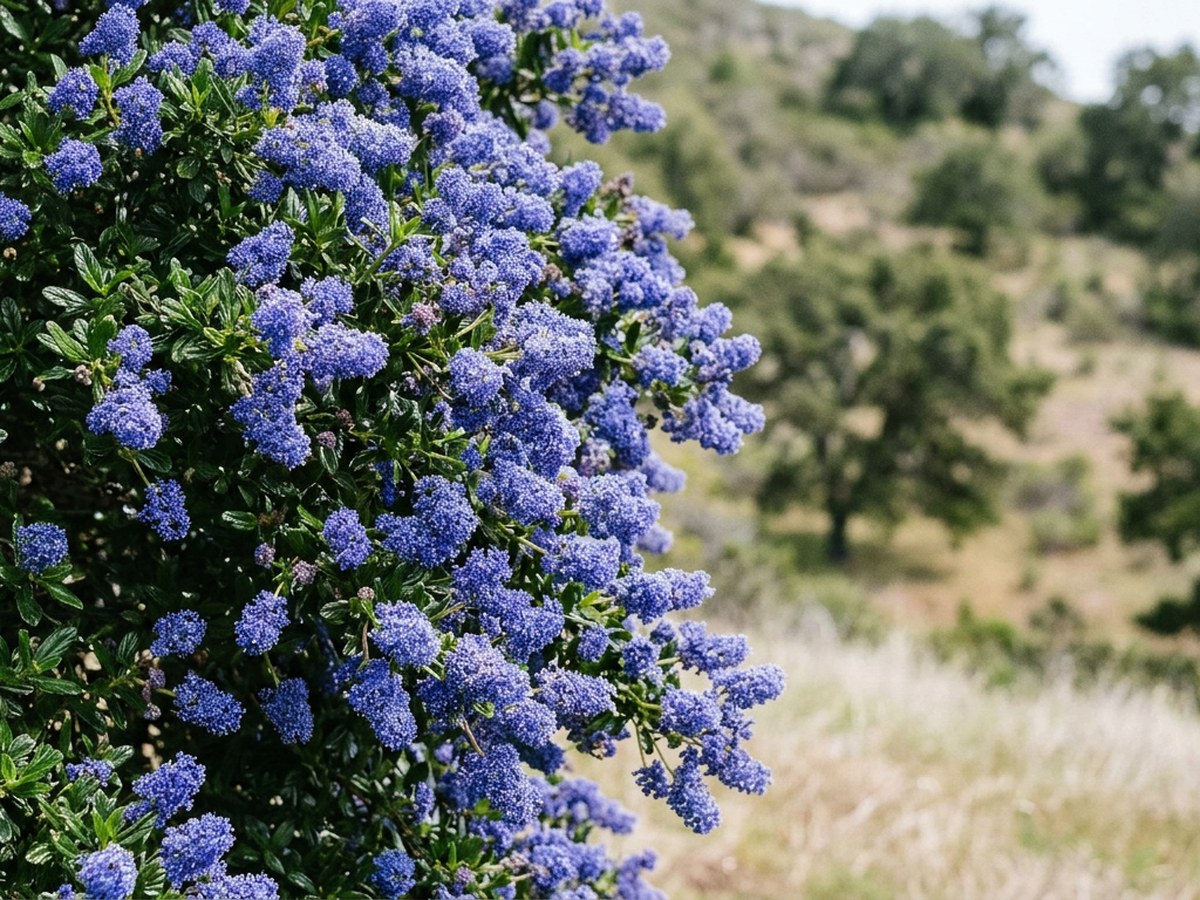
Ceanothus (California Lilac) in peak bloom, dense panicles of small blue-violet flowers cascading over evergreen foliage

Coming Jun 13

Ceanothus

Ceanothus spp.
California Lilac. The blue-flowering shrub that fixes nitrogen, feeds bees, and asks for almost nothing.

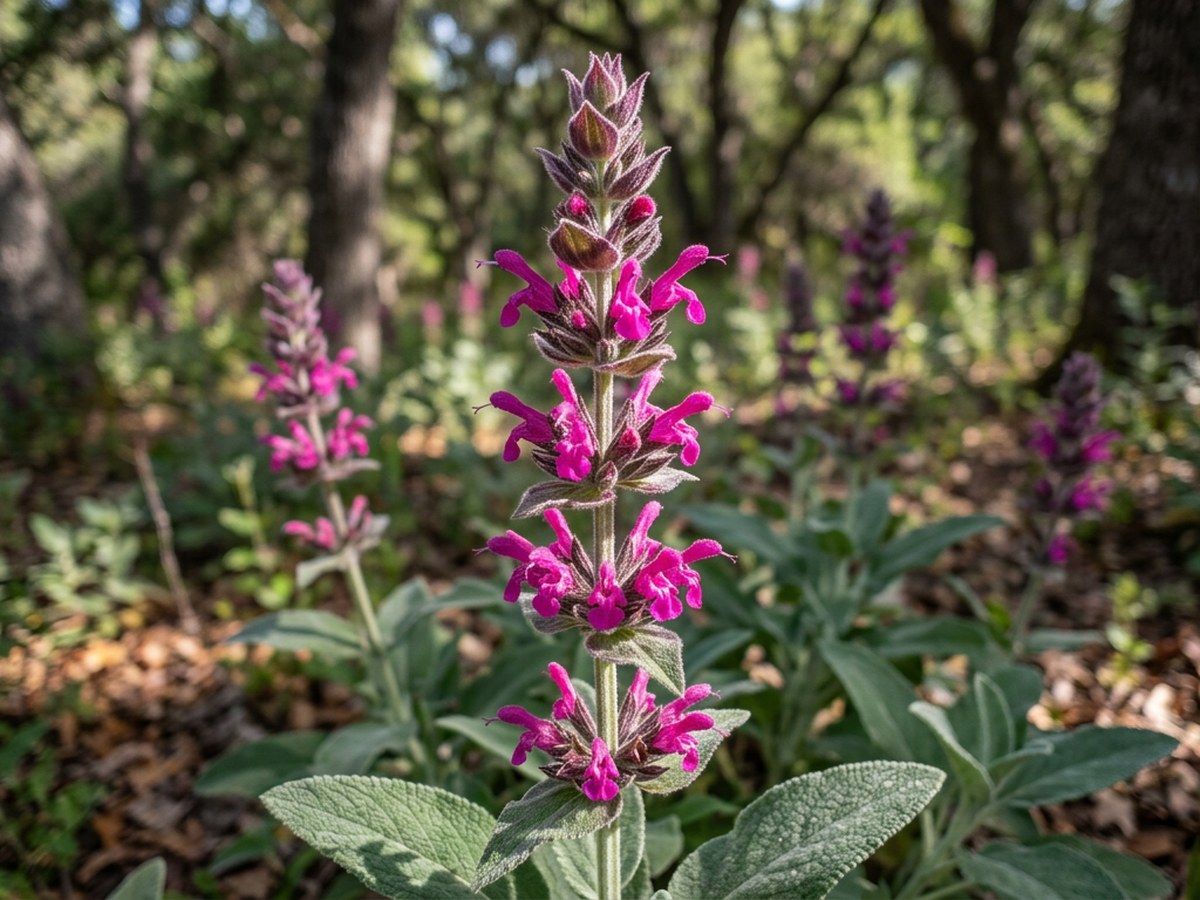
Hummingbird Sage (Salvia spathacea) in bloom, magenta-pink tubular flowers in tiered whorls above fuzzy gray-green leaves in oak woodland understory

Coming Jun 20

Hummingbird Sage

Salvia spathacea
The shade-tolerant native salvia that handles the shadiest corner of your garden and still feeds hummingbirds.

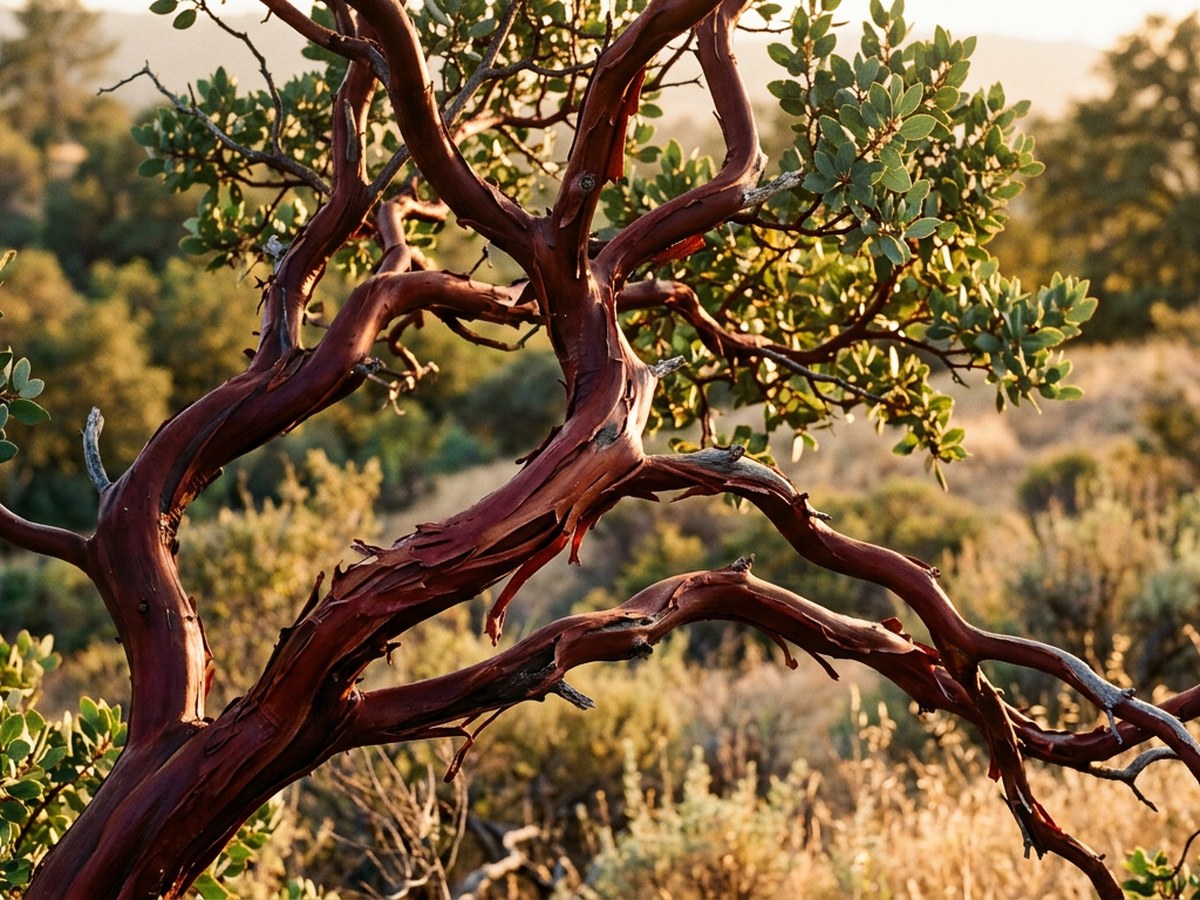
Manzanita (Arctostaphylos) showing iconic smooth mahogany-red trunk and sinuous branching architecture with small evergreen leaves

Coming Jun 27

Manzanita

Arctostaphylos spp.
Mahogany bark, evergreen leaves, winter blooms. The signature California chaparral genus, and which species suits your site.

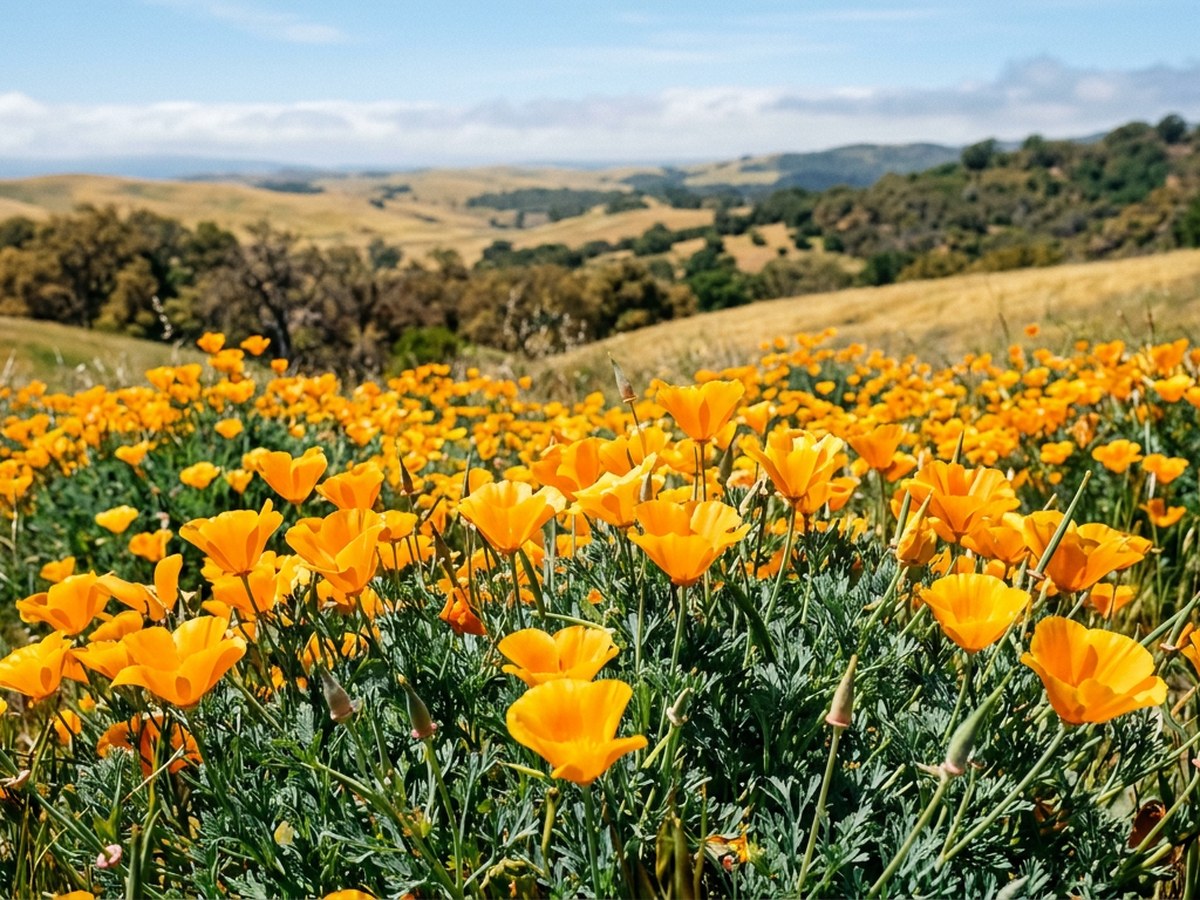
California Poppies (Eschscholzia californica) in summer bloom, papery orange flowers above finely divided blue-green foliage on a golden California hillside

Coming Jul 4

California Poppy

Eschscholzia californica
The state flower. Sow it once, harvest seed, and watch it return on its own every spring for the rest of your life.

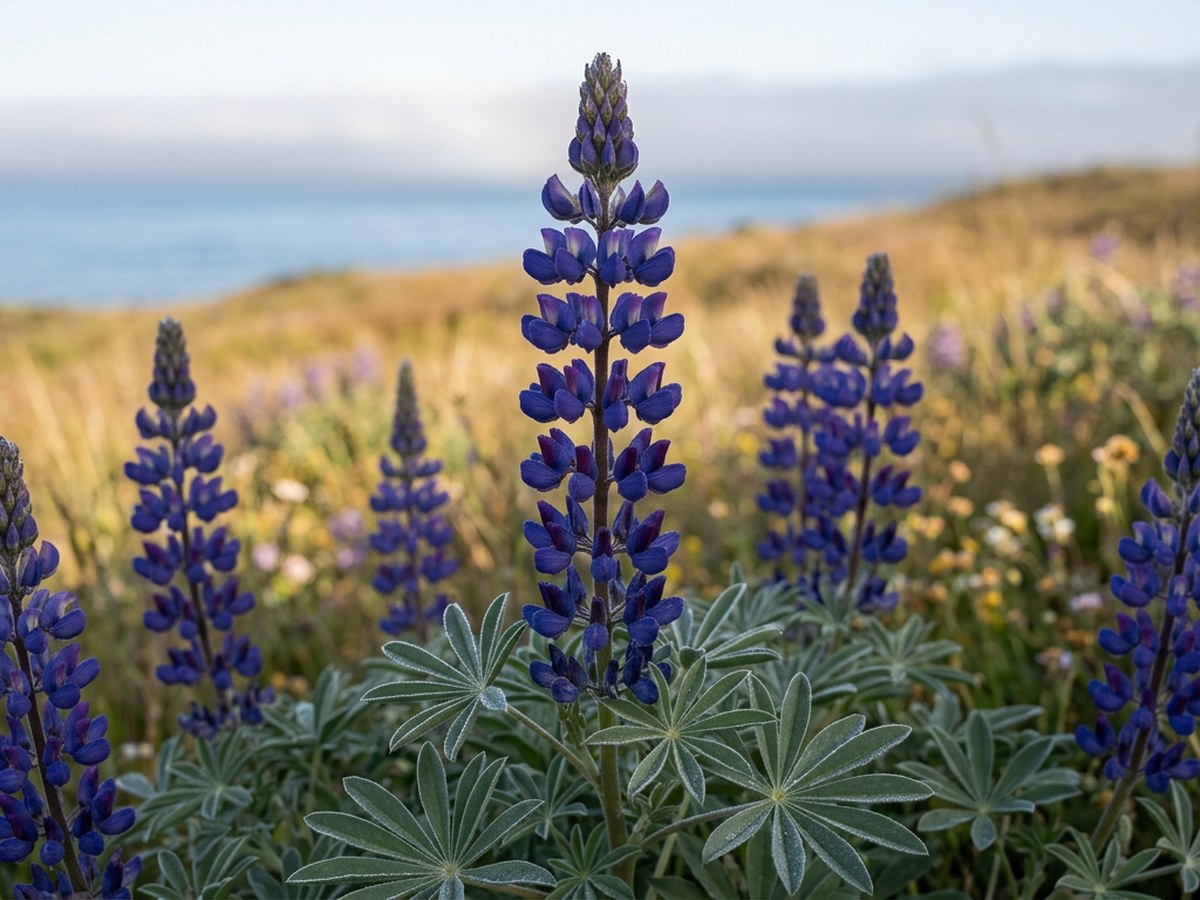
Native California Lupine (Lupinus) in bloom, tall blue-purple flower spire rising above palmate gray-green leaves on a coastal grassland

Coming Jul 11

Lupine

Lupinus spp.

Nitrogen-fixing, blue-spired, butterfly-attracting. Which species belong in a Bay Area garden and which don't.

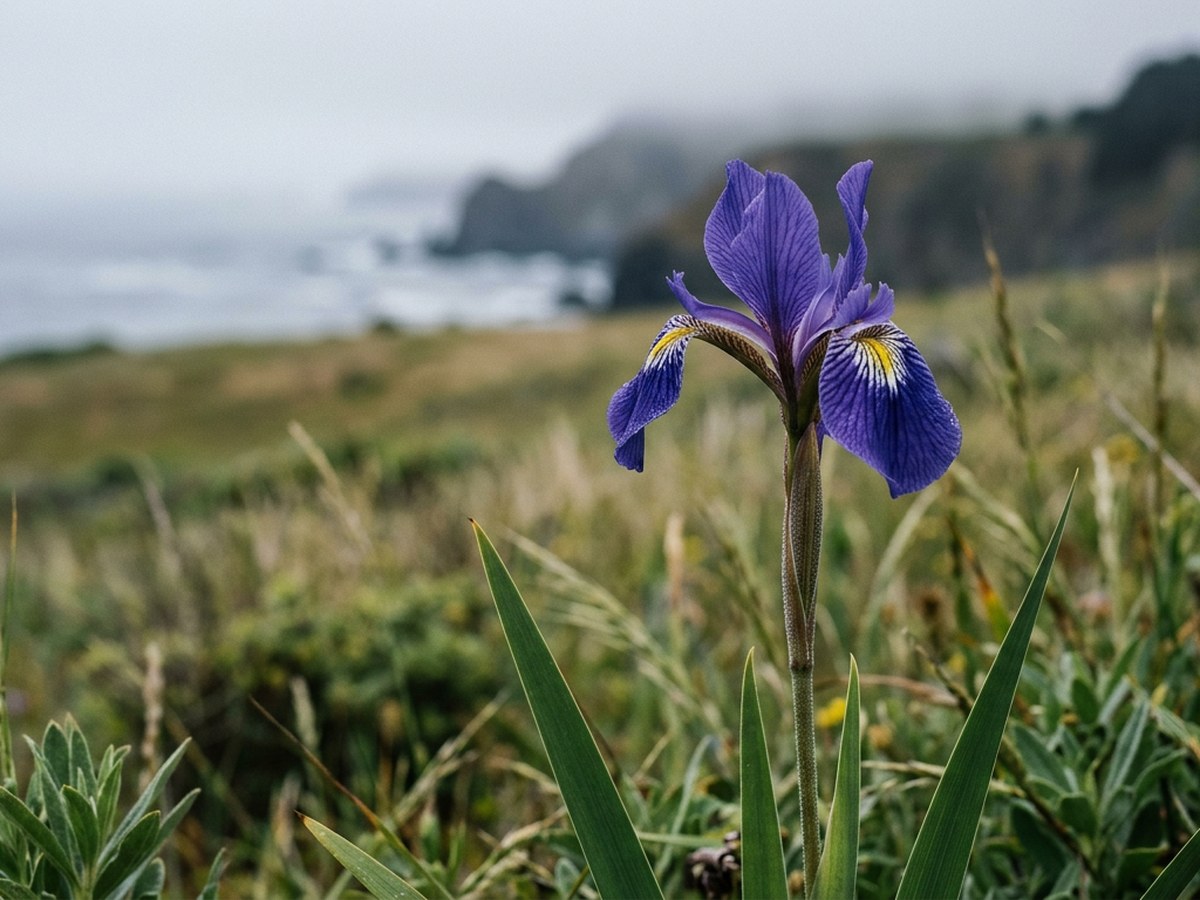
Douglas Iris (Iris douglasiana) in bloom, deep purple-blue iris flower with delicate veining and yellow signal patches, coastal grassland with marine layer behind

Coming Jul 18

Douglas Iris

Iris douglasiana
The native iris that handles partial shade, coastal fog, and forty years of neglect. Reliable, slow, worth the patience.

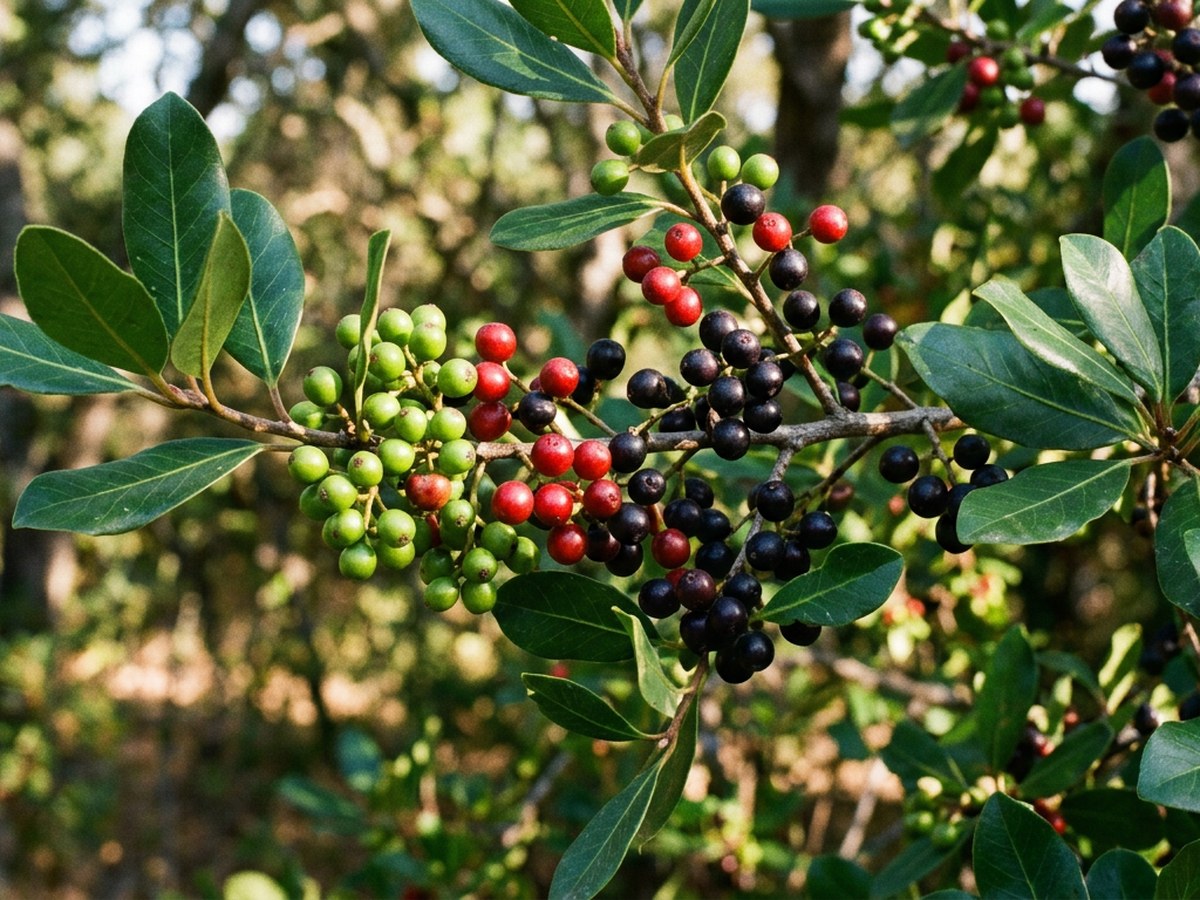
Coffeeberry (Frangula californica) showing berries in three stages on the same branch — green, red, and ripe black — among glossy dark-green leaves

Coming Jul 25

Coffeeberry

Frangula californica
The understated workhorse shrub. Glossy evergreen leaves, berries that ripen from green to red to black, birds in every stage.

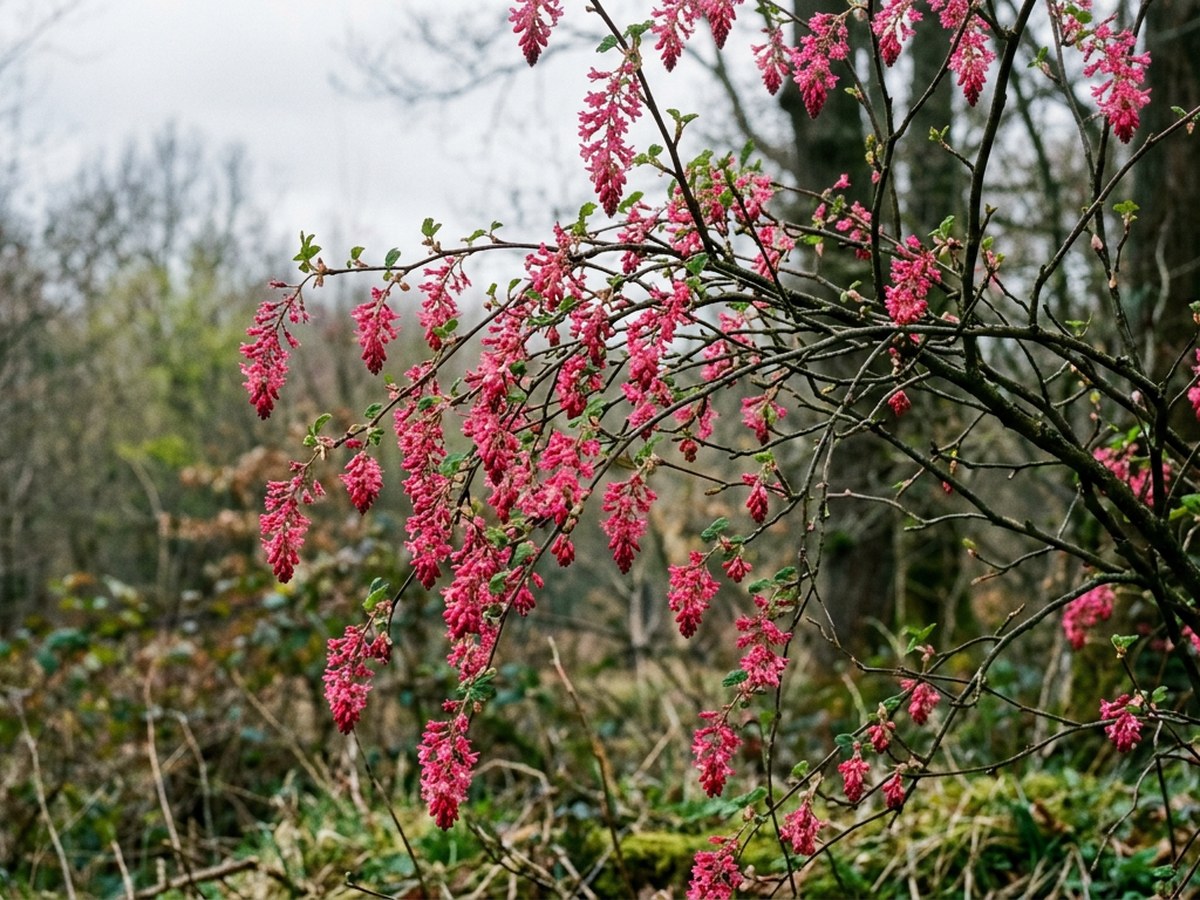
Pink-flowering Currant (Ribes sanguineum) in full late-winter bloom, pendulous cascading clusters of pink-red tubular flowers against soft gray sky

Coming Aug 1 · Finale

Currant & Gooseberry

Ribes spp.

Winter-flowering natives that wake the garden before the rest of California is ready. The finale entry of the inaugural season.

About this pillar

The Planters' Guild publishes for growers everywhere — in bedrooms, on balconies, in backyards. California Natives is one of the outdoor pillars, and the first to ship: same editorial standard and scientific basis the Guild brings to everything else, now applied to the plants that actually belong in the ground in a Bay Area garden.

The series leads with the Bay Area because that's the editorial home base. The substrate, climate, and water-use realities that drive every choice in a Bay Area native garden are the same ones the rest of the state's Mediterranean-climate gardeners deal with, so the guidance travels. Where it doesn't, we say so.

Each entry follows the same structure as the Plant Profiles pillar: what the plant is, what it actually wants, where most people get it wrong, the one honest caveat, sourcing through CNPS chapter sales, and a Quick Reference card. Sources are cited APA 7 at the bottom of every entry. No affiliate links, no sales CTAs, no garden-magazine fluff.